Why Choose a Hybrid Generator for Your Energy Needs?
In today's energy landscape, choosing the right power source is crucial. A Hybrid Generator stands out as a versatile option. Combining renewable resources with traditional fuels, it provides a reliable energy solution for various needs. As energy demands grow, the advantages of Hybrid Generators become evident.
Many users appreciate their efficiency and adaptability. A Hybrid Generator can reduce fuel costs significantly over time. This technology integrates solar, wind, and diesel systems. However, potential buyers should carefully assess their specific energy requirements. Different setups may suit various applications, from residential use to industrial operations.
Despite their benefits, Hybrid Generators can also present challenges. Initial setup cost and maintenance are factors to consider. Investing in this technology requires thorough research and planning. Overall, understanding these aspects helps ensure that a Hybrid Generator meets your energy needs effectively.
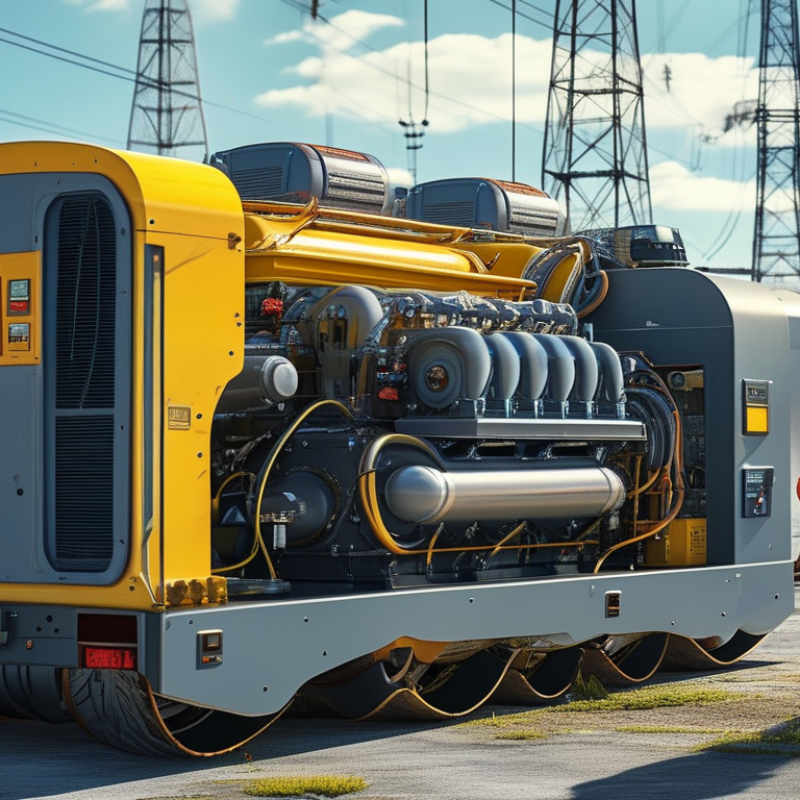
Understanding Hybrid Generators and Their Components
Hybrid generators combine various power sources. They typically integrate solar, wind, and traditional fuels. This versatility allows them to adapt to different energy demands. Each component plays a crucial role in efficiency and reliability. Solar panels harness sunlight and convert it into power. Wind turbines utilize natural air currents, adding another layer of energy generation.
Batteries store excess energy for later use. This is significant for ensuring a steady supply, even when conditions change. The control system manages these energy flows, making real-time adjustments. However, understanding how these components interact is essential for optimal performance. Users often underestimate maintenance. Regular checks on each part can prevent costly failures.
Hybrid systems may seem complex, yet their benefits are considerable. They reduce reliance on fossil fuels and lower emissions. However, the initial investment can be challenging for some. And not all setups are created equal. It’s critical to evaluate specific needs and locales. Tailoring a solution can maximize effectiveness. Being aware of these factors leads to more informed decisions.
Why Choose a Hybrid Generator for Your Energy Needs?
| Component |
Description |
Advantages |
| Hybrid Power Sources |
Combines renewable and conventional energy sources such as solar and diesel. |
Reduces fuel consumption and carbon footprint. |
| Energy Storage System |
Batteries that store excess energy produced for later use. |
Provides backup power and maximizes energy use efficiency. |
| Control System |
Manages the operation of the generator to optimize performance. |
Enhances reliability and system efficiency. |
| Generator |
Converts mechanical energy into electrical energy. |
Offers flexible power output to match energy demand. |
| Inverter |
Converts DC from batteries/solar to AC for use. |
Facilitates efficient energy distribution for appliances. |
The Benefits of Hybrid Generators for Energy Efficiency
Hybrid generators are becoming popular for various energy needs. These systems combine traditional fuel sources with renewable energies, like solar or wind. This combination enhances energy efficiency by using resources more effectively. Many find that hybrid generators can significantly reduce fuel consumption.
The benefits are evident. They lower greenhouse gas emissions, supporting environmental goals. Users report lower operational costs, which is vital for businesses. However, they can still face challenges, such as initial installation expenses. This can be a barrier for some, but long-term savings often outweigh those upfront costs.
Another consideration is maintenance. Hybrid systems require regular checks to ensure optimal performance. Some users might overlook this, leading to decreased efficiency. Keeping everything in balance is key. As technology improves, the reliability of hybrid generators is expected to grow, making them a smart choice for the future.
How Hybrid Generators Compare to Traditional Power Sources
Hybrid generators combine the benefits of traditional and renewable energy sources. This unique setup makes them a strong contender for various energy needs. They utilize both fuel and renewable energy, improving efficiency and reducing emissions. Compared to conventional generators, hybrids offer cleaner energy production, using less fossil fuel.
Tips: Consider your energy requirements. Identify what your peak load is. A hybrid generator can efficiently handle multiple energy demands. Ensure to review noise levels and space requirements before installation.
Cost savings are another significant advantage. Hybrid generators can lower fuel costs over time. Maintenance is also simpler with fewer moving parts involved in renewable energy components. Users may find that initial costs are higher, but the long-term savings can be substantial.
However, hybrid options may not be the best fit for everyone. Some locations lack consistent renewable resources. It requires planning and assessment to determine the right balance for your needs. Understanding all these factors is crucial for making an informed decision.
Applications of Hybrid Generators in Various Industries
Hybrid generators are increasingly popular across various industries due to their flexibility and efficiency. They combine renewable energy sources and conventional generators. This blend allows for reduced emissions and better fuel efficiency. In construction, for instance, hybrid generators power heavy machinery on site. They cut down noise and environmental impact, making them ideal for urban projects.
In the telecommunications sector, hybrid generators ensure reliable power for cell towers. These generators can function with less fuel while harnessing solar or wind energy. The reliability can be critical, especially in remote locations. However, a challenge remains in the initial setup costs. Organizations must balance investment with long-term savings.
Moreover, the agricultural industry benefits significantly from hybrid systems. Farmers use them for irrigation and machinery. They can operate sustainably while reducing operational costs. Yet, not all farms can afford these systems initially. As technology advances, solutions need to address affordability and accessibility for smaller operations.
Factors to Consider When Choosing a Hybrid Generator
Choosing a hybrid generator involves careful consideration of various factors. One of the primary aspects is the power output required for your specific needs. Understanding your energy consumption patterns is crucial. You should quantify the energy demands of your appliances and systems. This will help in selecting a generator that can efficiently handle your load without overextending itself.
Another critical factor is the fuel efficiency of the generator. Hybrid systems often use a combination of diesel and electric power. Analyzing the performance in different conditions is essential. Sometimes, the expected savings in fuel costs may not materialize. Be sure to review user experiences or case studies to understand real-world efficiency.
Additionally, consider the noise levels and environmental impact. A quieter generator is preferable in residential areas. It is also beneficial to explore emissions data and compliance with local regulations. Users often overlook these details, leading to unexpected challenges. Take time to reflect on your priorities to make an informed choice. This will ensure your investment aligns with both your energy needs and environmental values.

 Sinotruk Parts
 Shacman Parts
 FAW Parts
 Dongfeng Parts
 Foton Parts
 CHENGLONG PARTS
 Golden Dragon Bus Parts
 King Long Parts
 Yutong Parts
 Higer Parts
 Zhongtong Parts
 Ankai Parts



 Mr. Perry Wu International Sales Director