Top Hybrid Generator Types for Efficient Power Solutions?
In today's world, energy efficiency is crucial. The demand for sustainable power solutions is rising rapidly. Hybrid generators are playing a key role in this transition. Renowned industry expert, Dr. Angela Weiss, states, "Hybrid generators can revolutionize the way we approach energy."
These innovative systems combine different energy sources. They typically merge renewable options like solar or wind with traditional fuels. This combination enhances reliability and reduces costs. Hybrid generators operate well in remote areas. Their versatility makes them suitable for various applications.
However, challenges remain. Many industries still lack knowledge about hybrid technology. Educating stakeholders is vital. While hybrid systems are promising, they require careful consideration for installation and maintenance. As we explore hybrid generator types, understanding their strengths and limitations will provide valuable insights into achieving efficient power solutions.
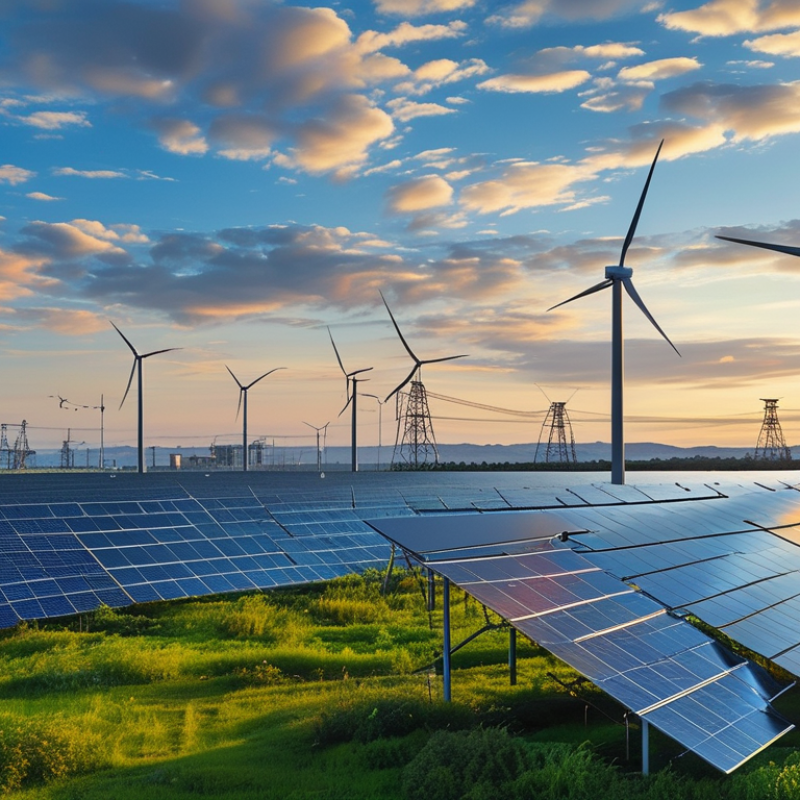
Overview of Hybrid Generators and Their Importance
Hybrid generators are becoming increasingly important as the world shifts toward sustainable energy solutions. These generators combine multiple energy sources to enhance efficiency and reliability. They often utilize a mix of renewable energy, such as solar or wind, alongside traditional fuels.
According to a report by the International Energy Agency, hybrid systems can improve the overall efficiency of energy generation by up to 30%. This dual-source approach helps reduce emissions and reliance on fossil fuels.
Each hybrid generator type serves specific needs. For example, wind-solar hybrids optimize space and can deliver consistent output even when one source is less effective. However, design and integration challenges remain. Properly calibrating the energy sources is crucial for maximizing efficiency. A study indicated that as much as 20% of potential output is lost due to poor integration.
Tips:
Ensure regular maintenance on hybrid systems. This action helps avoid performance loss. Always consult with experts when modifying existing setups. Their insights can ensure an efficient and reliable operation. Consider the local environment and energy needs when selecting a hybrid generator type.
Key Components of Hybrid Generator Systems
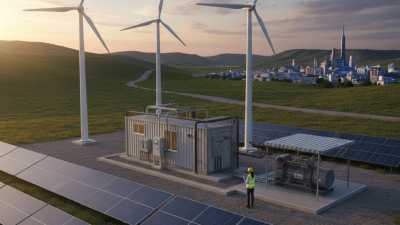
Hybrid generator systems combine multiple power sources to enhance efficiency. These systems often include solar panels, wind turbines, and traditional generators. Each component plays a critical role in ensuring a reliable power supply.
Solar panels convert sunlight into electricity. They are an essential part of any hybrid system. Wind turbines harness wind energy, adding another layer of sustainability. Conventional generators provide backup power when renewable sources are insufficient. The integration of these components ensures energy is available at all times.
Moreover, storage systems like batteries are vital. They store excess energy generated during peak production hours. This stored energy can then be used when production is low. However, integrating these components isn't without challenges. Proper sizing and configuration are essential to achieve optimal performance. It's not uncommon for hybrid systems to underperform when components are mismatched. Understanding each component’s strengths and limitations is key to building an effective hybrid generator system.
Popular Types of Hybrid Generators for Different Applications
Hybrid generators combine different power sources to enhance efficiency and reliability. With increasing energy demands, they become crucial in various applications. According to a recent market analysis, the global hybrid generator market is projected to grow at a CAGR of over 9% by 2027.
One popular type is solar-diesel hybrid generators. These units utilize solar panels alongside diesel generators. They reduce operating costs and carbon emissions. Reports indicate that integrating solar energy can lower fuel consumption by up to 40%. However, installation costs can be high. This trade-off needs careful consideration.
Another option is wind-diesel hybrids. They generate power from wind turbines and diesel generators. This setup works well in remote areas where grid access is limited. While it can decrease reliance on fossil fuels, wind variability remains a challenge. Thus, storage solutions are often needed for consistent energy supply.
Advantages of Using Hybrid Generators for Power Solutions
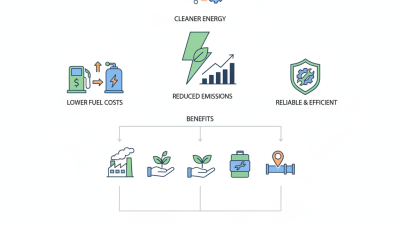
Hybrid generators combine multiple power sources, such as solar, wind, and traditional fuel generators. This combination offers several advantages for efficient power solutions, particularly in reducing emissions and optimizing fuel usage. According to a recent report by the International Renewable Energy Agency (IRENA), hybrid power systems can reduce greenhouse gas emissions by up to 70% compared to traditional generators.
One notable advantage of hybrid generators is their flexibility in energy sourcing. By utilizing renewable energy, these systems decrease reliance on fossil fuels. This shift not only lowers operational costs but also promotes energy security, especially in remote areas. A study from the National Renewable Energy Laboratory (NREL) indicates that integrating hybrid systems can lead to a 25% increase in efficiency compared to standalone generators.
Tip: Regular maintenance on hybrid systems is crucial. Proper upkeep ensures optimal performance and longevity. Neglect can lead to inefficiencies and increased emissions.
Moreover, hybrid generators can adapt to different energy demands. For example, during high-demand periods, they can seamlessly switch to traditional fuel sources. This adaptability helps prevent power shortages while maximizing renewable energy contributions. Still, not all regions can support these systems easily due to infrastructure or resource limitations.
Tip: When considering a hybrid generator, assess local resource availability. Understanding the local environment aids in selecting the best hybrid combination.
Future Trends in Hybrid Generator Technology and Applications
The future of hybrid generator technology is promising. With rising energy demands, efficiency is crucial. Hybrid generators combine multiple power sources. This integration allows for more stable outputs and reduced emissions. We can expect advances in solar and wind integration. These sources can complement each other effectively. For instance, solar power can thrive during the day while wind energy often peaks at night.
Innovations are emerging in energy storage solutions. Lithium batteries and newer technologies enhance energy retention. However, the cost of these systems remains a concern. The goal is to achieve cost-effectiveness for broader adoption. Additionally, the software that manages these systems is evolving. Smart grid technologies can optimize energy distribution. Yet, adaptability to various environments is still a challenge.
Another trend is the focus on sustainability. Future models may use biodegradable materials. They aim to lessen the environmental impact. However, there is ongoing debate about sourcing these materials sustainably. Industry experts highlight the need for local resources. Hybrid generators must evolve to meet changing regulations and standards. This will ensure they are reliable and versatile in various applications.

 Sinotruk Parts
 Shacman Parts
 FAW Parts
 Dongfeng Parts
 Foton Parts
 CHENGLONG PARTS
 Golden Dragon Bus Parts
 King Long Parts
 Yutong Parts
 Higer Parts
 Zhongtong Parts
 Ankai Parts



 Mr. Perry Wu International Sales Director