Top 5 Transfer Switch Tips for Global Buyers Today
In today's fast-paced global market, the demand for reliable power solutions is more critical than ever. With over 70% of businesses relying on uninterrupted power supply, the role of the Transfer Switch cannot be overstated. This essential device ensures seamless switching between different power sources, safeguarding operations during outages. Industry reports indicate that the market for Transfer Switches is projected to grow by 5.5% annually, highlighting their increasing importance.
Many buyers struggle to choose the right Transfer Switch due to the complexities involved. Understanding operational needs is essential, yet it often gets overlooked. Factors like load capacity, installation requirements, and maintenance play significant roles. Additionally, the risk of downtime can lead to substantial financial losses. A recent survey revealed that businesses experience an average of $150,000 in losses for every hour of power interruption.
Navigating these choices requires expert knowledge. Knowledgeable suppliers can guide buyers in evaluating available options, ensuring quality and compliance with standards. A well-informed decision is crucial for achieving maximum reliability. Understanding these variables will not only enhance operational reliability but also protect investments in the long run.
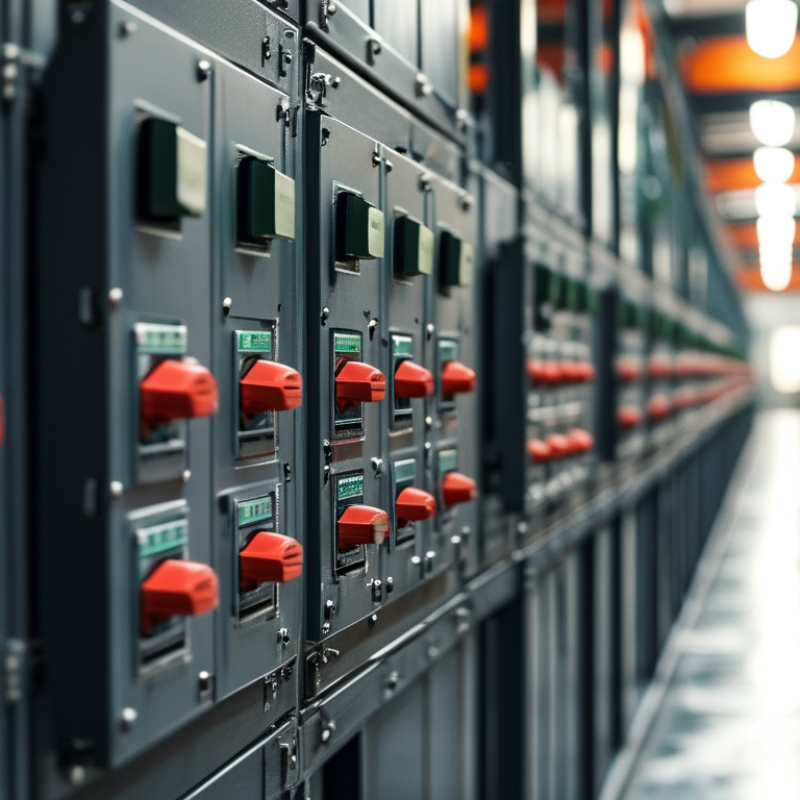
Understanding Transfer Switch Basics for Global Buyers
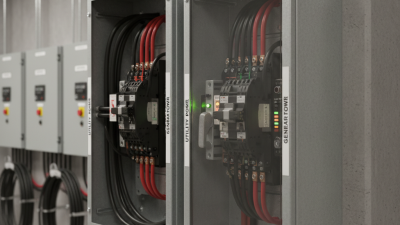
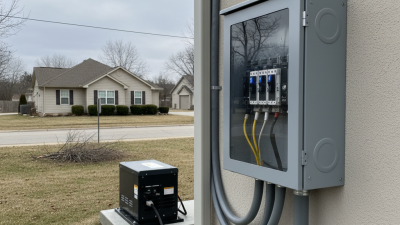
Transfer switches are critical for ensuring a reliable power supply during outages. Understanding their basics can help global buyers make informed decisions. A transfer switch connects a generator to a building’s electrical system. It safely redirects power without back feeding. In the U.S., it's reported that about 30% of all power outages last more than an hour. During such times, a transfer switch can be invaluable.
When selecting a transfer switch, consider your energy needs. The National Electrical Manufacturers Association (NEMA) indicates that improperly rated switches can lead to failures. Many users underestimate the importance of matching the switch capacity with generator output. This mismatch can compromise safety and reliability. Avoid assuming all installations are the same. Each scenario presents unique challenges that demand careful evaluation.
Adherence to local regulations is crucial. Many regions require professional installation. However, some buyers attempt DIY solutions, which can be risky. Installation errors can lead to equipment damage or safety hazards. According to industry data, around 15% of all transfer switch installations face inspection failures due to non-compliance. Understanding these nuances is key to making a wise purchase.
Key Considerations for Selecting the Right Transfer Switch
Choosing the right transfer switch is a crucial decision for global buyers. According to a report by MarketsandMarkets, the transfer switch market is expected to grow substantially, driven by increased demand for reliable power solutions. Understanding the key considerations can help buyers make informed choices.
Firstly, assess your power needs. Calculate the total wattage of the equipment you want to connect. Many buyers overlook this step. An underpowered switch can lead to equipment failure.
Consider the switch type as well. Manual transfer switches require user intervention. This can be inconvenient during power outages. In contrast, automatic transfer switches activate when they sense a power interruption. They offer convenience and peace of mind, especially for critical applications.
Finally, think about compliance and durability. Ensure the switch meets industry standards. Look for certifications that indicate reliability. A study by the International Electrotechnical Commission highlights the importance of safety compliance. It protects both users and devices from potential hazards.
Making the right choice can be complex, but understanding these tips can streamline your decision-making.
Comparing Different Types of Transfer Switches Available Globally
When comparing different types of transfer switches globally, buyers should consider flexibility and reliability.
Automatic transfer switches (ATS) are often favored for their ability to switch power sources seamlessly. This feature is crucial in regions prone to power outages.
However, manual transfer switches can be more affordable and simpler to use. They require active engagement, which might not suit every situation.
Switching systems vary by application. Understanding the power requirements is essential. For example, commercial enterprises might lean toward heavy-duty switches,
while residential users may need lighter models. Each switch has distinct installation demands and maintenance needs. This can pose challenges for those unfamiliar with electrical work.
Additionally, geographic considerations impact choices. Climate and infrastructure can dictate what type of switch works best. In some areas, proper grounding is a must.
Ignoring this can lead to safety hazards. It’s vital to seek guidance from professionals to navigate these nuances effectively.
A custom approach may yield better results than a one-size-fits-all solution.
Installation Tips for Ensuring Optimal Performance of Transfer Switches
When installing transfer switches, attention to detail is crucial for optimal performance. Understanding the load requirements of your system is the first step. Do not underestimate how much power your equipment needs. A miscalculation can lead to unreliable operation and damage.
Next, consider the placement of the transfer switch. It should be accessible for maintenance yet protected from the elements. Ideal positioning can minimize wear and tear. Wiring must be done carefully to prevent shorts or voltage drops. Using the correct gauge wire ensures efficiency and safety.
Regular maintenance checks can reveal potential issues early. These inspections may uncover dirt accumulation or loose connections, which can compromise performance. Documenting each service can highlight patterns over time. A proactive approach often pays off when it comes to functionality.
Top 5 Transfer Switch Tips for Global Buyers Today
| Tip No. |
Tip |
Description |
Key Benefit |
| 1 |
Choose the Right Size |
Determine the load capacity needed for your application. |
Prevents overload and enhances efficiency. |
| 2 |
Regular Maintenance |
Schedule routine inspections and servicing. |
Increases longevity and reliability. |
| 3 |
Install Properly |
Follow installation guidelines precisely. |
Ensures safety and maximum performance. |
| 4 |
Test Regularly |
Conduct operational tests at scheduled intervals. |
Identifies potential failures before they occur. |
| 5 |
Educate Your Team |
Train personnel on equipment operation and maintenance. |
Reduces errors and enhances safety awareness. |
Maintenance Best Practices to Extend the Life of Transfer Switches
Maintaining transfer switches is crucial for their longevity. Regular inspections can prevent costly failures. Check connections for corrosion or wear. Clean all parts to avoid debris buildup. Many overlook these basics, but they are vital.
Test the switch under load conditions. This simulates real usage and reveals potential issues. Note any unusual sounds or behavior. This proactive approach can save you time and money. Conducting these tests often requires expertise.
Documentation of maintenance activities is essential. Record findings and updates to create a reliable history. This practice enhances accountability and makes future maintenance easier. Some people forget to log these details, leading to missed opportunities for improvement. Remember, an informed approach contributes to better performance and reliability.

 Sinotruk Parts
 Shacman Parts
 FAW Parts
 Dongfeng Parts
 Foton Parts
 CHENGLONG PARTS
 Golden Dragon Bus Parts
 King Long Parts
 Yutong Parts
 Higer Parts
 Zhongtong Parts
 Ankai Parts






 Mr. Perry Wu International Sales Director