Why Do You Need a Transfer Switch for Your Generator?
When preparing for power outages, a Transfer Switch is essential for safe generator use. This device facilitates a smooth connection between your generator and home’s electrical system. Without it, connecting a generator could lead to dangerous backfeed, risking lives and property.
Many homeowners underestimate the importance of a Transfer Switch. It not only ensures safety but also complies with electrical codes. Moreover, choosing the right switch is crucial for efficiency. The right type can protect your home from electrical surges or damage.
Investing in a Transfer Switch reflects a commitment to safety and preparedness. It eliminates the chaos of hooking up a generator during an outage. The peace of mind it provides can make a difference when the lights go out. Reflecting on your safety measures now can save trouble later.
Importance of a Transfer Switch for Generators
A transfer switch is an essential component for any generator system. It allows for the safe transfer of power from your generator to your home’s electrical system. This prevents backfeeding, which can be dangerous. Backfeeding occurs when electricity flows back into the utility lines, posing risks to utility workers and your home.
When a power outage happens, a transfer switch provides a seamless transition to generator power. It ensures that selected circuits receive power without overwhelming your generator. This is crucial for essential devices like refrigerators or medical equipment. Installing a transfer switch can be complicated and usually requires a licensed electrician.
The reliability of your power supply depends on having the right equipment. Without a transfer switch, you may end up in a chaotic situation during an outage. Choosing the right switch is also vital; it must match your generator's capacity and your home's needs. Neglecting this can lead to insufficient power or damage to appliances. Prioritizing safety and efficiency is essential for every homeowner who relies on generator power.
Why Do You Need a Transfer Switch for Your Generator? - Importance of a Transfer Switch for Generators
| Feature |
Importance |
Benefits |
| Safety |
Prevents back feeding of electricity. |
Reduces the risk of electrical hazards to workers and public safety. |
| Convenience |
Allows for easy switch from line power to generator power. |
Faster restoration of power during outages. |
| Code Compliance |
Required by National Electrical Code (NEC) for portable generators. |
Ensures your setup meets legal standards. |
| Versatility |
Compatible with various generator sizes and types. |
Offers flexibility depending on power needs. |
| Cost-Effectiveness |
Minimizes potential damage to home electrical systems. |
Saves money on repairs and insurance claims. |
How a Transfer Switch Enhances Safety During Power Outages
A transfer switch is essential for generator safety during power outages. When the grid goes down, many rely on backup generators. However, directly connecting a generator to your home’s wiring can be dangerous. A transfer switch isolates the generator from the grid, preventing back-feeding that can harm utility workers and damage your equipment.
Data from the U.S. Department of Energy shows that improper use of generators can lead to electrocution risks, increasing emergency room visits by 25% during storm seasons. A transfer switch mitigates this risk. It allows you to safely power essential circuits, like refrigerators and heating systems, without risking your safety or that of others.
Tip 1: Consider hiring a licensed electrician for installation. They can ensure compliance with local codes and standards. Tip 2: Always test your transfer switch regularly during a power outage. This can identify potential issues before they become critical. A functional transfer switch is not just a convenience; it’s a crucial safety feature.
Types of Transfer Switches: Manual vs. Automatic
When choosing a transfer switch for your generator, understanding the differences between manual and automatic types is crucial. Manual transfer switches require physical intervention to switch power sources. Users must flip a switch to transfer from grid power to generator power manually. This approach offers more control, as operators can decide the best time to switch. According to the National Fire Protection Association, proper installation and use of manual switches can reduce electrical hazards by 45%.
On the other hand, automatic transfer switches (ATS) provide seamless transition during an outage. These switches detect power loss and engage the generator without user input. The ATS ensures that critical loads stay powered with minimal interruption. A report by the Electric Power Research Institute states that using ATS can improve emergency power system reliability by over 30%. They often come with added features like monitoring systems to track generator performance.
While both options serve their purpose, the decision often hinges on user needs. Manual switches can be more affordable. However, automatic switches offer convenience, especially for those who may not be available during a power outage. Industry professionals emphasize that choosing the right switch can significantly impact safety and efficiency. Evaluating your specific requirements is essential for optimal performance.
Installation Considerations for Generator Transfer Switches
When installing a generator transfer switch, several key considerations must be taken into account. Safety is paramount. A transfer switch enables safe and effective energy management during power outages. Without it, backfeeding can occur, putting utility workers at risk. Each switch should meet local codes and standards.
Placement is crucial. Ideally, the switch should be near the generator for efficient wiring. Consider the accessibility to both the generator and the main service panel. Avoid placing it in damp areas. Moisture can damage electrical components. The location also needs to allow easy operation during emergencies.
**Tips:** Ensure all connections are tight. Loose wiring can lead to failures. Regularly inspect the transfer switch for wear. Involve a professional for installation. Even minor mistakes can have severe consequences. Be aware that not all homes are suited for every type of switch. Custom solutions may be needed to fit your specific situation.
Generator Transfer Switch Importance
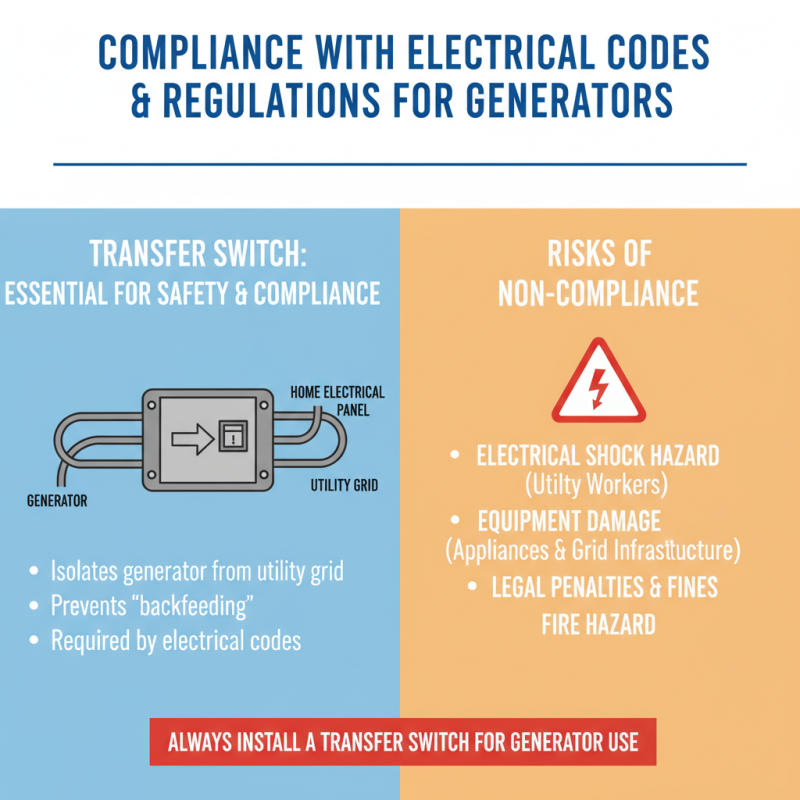
Compliance with Electrical Codes and Regulations for Generators
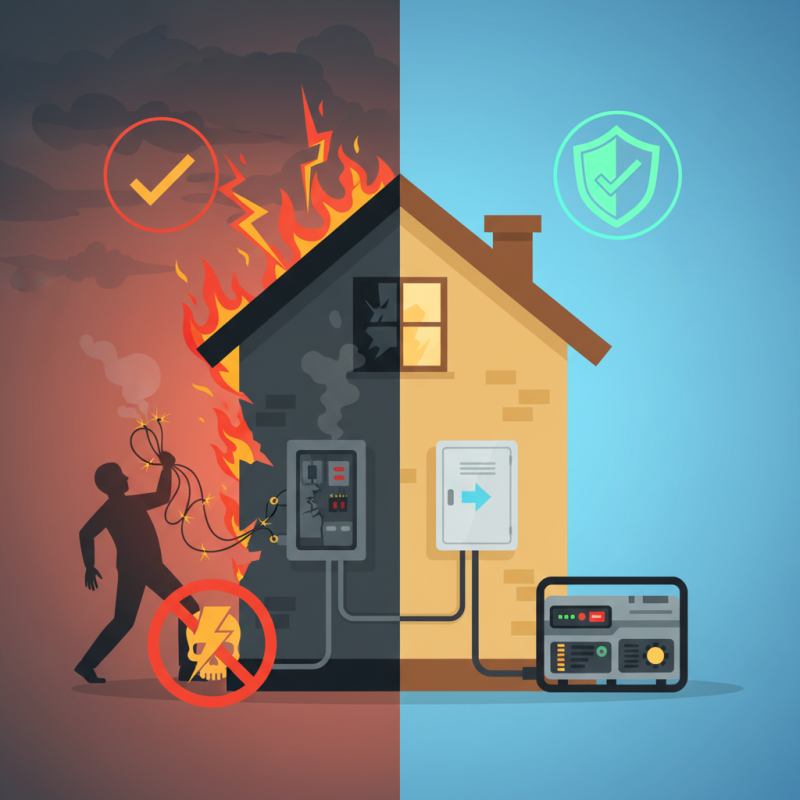
When using a generator, a transfer switch is essential for maintaining safety and compliance with electrical codes. Electrical codes dictate how generators should be installed and connected to ensure safe operation. Without a transfer switch, you risk potential hazards. Generators operating without proper isolation can backfeed into the grid, endangering utility workers and causing equipment damage.
Many homeowners underestimate the importance of adhering to these regulations. Compliance is not just about following rules; it ensures the reliability of your power system. Many local codes require transfer switches because they provide a secure way to switch from grid power to generator power. This process minimizes the risk of electric shock and reduces fire hazards.
Still, not everyone understands the intricacies of these regulations. It’s sometimes easy to overlook the details when setting up a generator. Ignoring these codes can lead to costly mistakes. Moreover, improper installation may void warranties or lead to fines. Educating yourself about your local electrical codes is crucial. It fosters a responsible approach to generator use and ensures peace of mind during power outages.

 Sinotruk Parts
 Shacman Parts
 FAW Parts
 Dongfeng Parts
 Foton Parts
 CHENGLONG PARTS
 Golden Dragon Bus Parts
 King Long Parts
 Yutong Parts
 Higer Parts
 Zhongtong Parts
 Ankai Parts





 Mr. Perry Wu International Sales Director