Top 5 Automatic Generator Options for Global Buyers?
In the fast-evolving world of energy solutions, the choice of an automatic generator is critical for global buyers. Industry expert Dr. Sarah Johnson, a leading authority in energy systems, stated, "Choosing the right automatic generator can ensure both reliability and efficiency in power supply." This statement encapsulates the essence of our exploration into the top options available today.
Automatic generators offer the convenience of self-starting capabilities during power interruptions. For businesses and homeowners alike, this technology provides peace of mind. The variety of options can, however, overwhelm potential buyers. Each model varies in features, performance, and price. Identifying the best match requires careful consideration of specific needs and expected outcomes.
In this overview, we will delve into five prominent automatic generator options. Each selection aims to highlight unique offerings, from fuel types to capacity ratings. The challenge lies in discerning the complexities behind these choices. While some features can vastly improve performance, they may come with trade-offs. Understanding these elements is essential for making an informed decision. The automatic generator market is diverse, but with informed choices, securing reliable power is within reach.
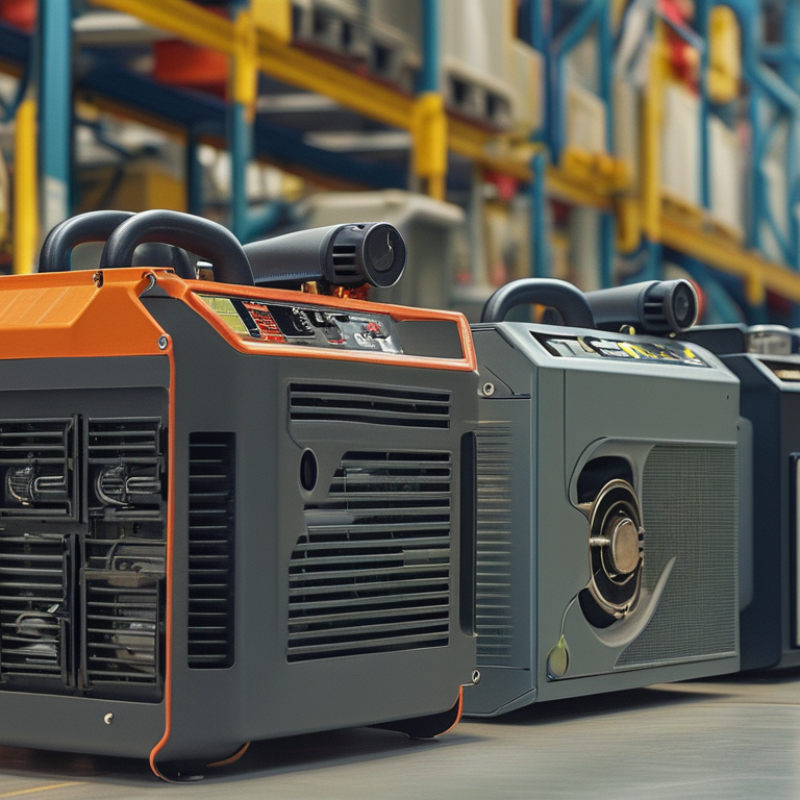
Key Features to Consider When Choosing an Automatic Generator
When selecting an automatic generator, buyers need to consider key features that ensure reliability and efficiency. The power output is crucial; it should match your energy needs. According to a recent industry report, generators with a power range from 5 kW to 20 kW are increasingly popular among residential users. This range typically meets most household requirements during outages.
Fuel type also plays a significant role. Diesel, natural gas, and propane are common options, each with its advantages. Diesel generators are known for their durability. However, they can be noisy and require more maintenance. On the other hand, natural gas generators offer cleaner emissions but may have higher initial costs.
Tips: Always check the fuel availability in your area. This can impact long-term operation costs.
Consider the generator's transfer switch options. An automatic transfer switch (ATS) is essential for seamless power switching during outages. This can enhance safety by preventing back feed into the power lines. Moreover, auxiliary features like mobile connectivity can provide real-time updates on generator status.
Reflect on your power needs—sometimes, less is more. Over-specifying can lead to wasted energy and increased costs. Understanding your requirements will help you make a smarter choice.
Top Brands in the Automatic Generator Market for Global Buyers
When considering automatic generators, several brands stand out for their reliability and performance. Many buyers appreciate brands that provide not only power solutions but also
extensive customer support. Investing in a generator means looking for quality, and this is where trusted brands excel. Their generators often feature
advanced technologies and user-friendly interfaces, making operation straightforward.
Moreover, global buyers are increasingly prioritizing fuel efficiency and noise levels. Brands that offer quieter generators tend to attract more customers.
It's worth noting that while some generators are known for durability, others may fall short in harsh conditions. Many buyers find that longer warranties reflect the maker’s confidence in their product. This is a critical factor when making a choice.
It's important to take time to explore various options. Reading reviews can help understand real-world performance. Buyers often learn that not all high-priced models guarantee satisfaction.
Being aware of both strengths and weaknesses can lead to better purchasing decisions. Investing in a generator is not just about immediate needs;
it’s about planning for future power reliability.
Comparative Analysis of Fuel Types Used in Automatic Generators
When selecting an automatic generator, fuel type is crucial. Diesel, natural gas, and propane are the top contenders. Diesel generators are known for their durability and efficiency. According to a recent industry report, diesel generators account for over 60% of the global market. They offer high energy density, providing longer operational hours with less fuel consumption.
Natural gas generators are increasingly popular. They produce fewer emissions and often have lower operating costs. A study indicates that the demand for natural gas generators grew by 25% last year, attributed mainly to stricter environmental regulations. However, they require a reliable gas supply, which can be a challenge in some regions.
Propane generators, while not as common, have their advantages. They can be stored indefinitely and are easy to transport. Propane has a cleaner burn compared to diesel, but the initial setup costs can be high. This trade-off leads users to question the long-term viability of each fuel type. As buyers consider these options, they should weigh costs, efficiency, and environmental impact carefully.
Price Ranges and Budget Considerations for Automatic Generators
When considering automatic generators, pricing is a major factor. The global market for these generators is projected to reach approximately $23 billion by 2027, according to industry forecasts. This growth indicates a rising demand and a variety of offerings, making budget considerations essential for buyers.
For budget-conscious consumers, entry-level generators typically range from $500 to $1,500. These units often provide basic necessities for homes during outages. However, mid-range options, priced between $2,000 and $5,000, offer advanced features like automatic start and improved fuel efficiency. Higher-end models can exceed $10,000, featuring robust power capacities and longer runtimes. These costs often include installation.
Buyers need to reflect on their power needs before making a decision. It is crucial to assess how much backup power is necessary. An oversized generator wastes money, whereas an undersized generator may not adequately support essential appliances. Industry data suggests that around 30% of buyers regret their initial purchase due to insufficient capacity or overspending. Researching specific power needs can lead to a more satisfying investment.
User Reviews and Reliability Ratings for Popular Generator Models
When choosing an automatic generator, user reviews are invaluable. Many buyers often share their experiences online. Reliability ratings can vary significantly between models. Some generators are praised for their quiet operation, while others face criticism for maintenance issues. Understanding these nuances helps inform purchasing decisions.
In several user reviews, common concerns include fuel efficiency and ease of use. Some models are lauded for long run times, while others struggle with frequent refueling. Customers appreciate detailed operating instructions. A clear manual can make a huge difference. However, not every model comes with this feature. This inconsistency can frustrate new users.
Overall, users value reliability and performance in their generators. Feedback reveals that many prefer models that offer good customer support. Quick responses to inquiries and service requests enhance user satisfaction. Reviews can sometimes highlight flaws that manufacturers overlook. Balancing personal needs with user feedback is essential. This approach leads to informed decisions when investing in a generator.
Top 5 Automatic Generator Options for Global Buyers
| Model |
Power Output (kW) |
Fuel Type |
User Rating (out of 5) |
Reliability Score (out of 10) |
| Model A |
7.5 |
Diesel |
4.5 |
9 |
| Model B |
10 |
Gasoline |
4.0 |
8 |
| Model C |
5 |
Propane |
4.2 |
7 |
| Model D |
12 |
Natural Gas |
4.7 |
9 |
| Model E |
8 |
Diesel |
4.3 |
8 |

 Sinotruk Parts
 Shacman Parts
 FAW Parts
 Dongfeng Parts
 Foton Parts
 CHENGLONG PARTS
 Golden Dragon Bus Parts
 King Long Parts
 Yutong Parts
 Higer Parts
 Zhongtong Parts
 Ankai Parts




 Mr. Perry Wu International Sales Director