2026 Top Standby Power Generator Buying Guide for Global Buyers?
In an increasingly unpredictable world, a reliable Standby Power Generator is essential for homes and businesses. Whether facing power outages from storms or grid failures, these generators offer peace of mind. Their ability to automatically kick in during emergencies makes them a valuable investment.
Choosing the right Standby Power Generator can be overwhelming. With options ranging from small units for residential use to larger systems for commercial purposes, buyers must consider their specific needs. Factors such as power capacity, fuel type, and installation costs play a critical role in the decision-making process.
It's important to recognize that not all generators are created equal. Many brands and models claim superiority, but only a few stand out for their durability and efficiency. Research and reviews from trusted sources can help guide potential buyers through their options. When weighing these factors, reflect on your own power needs and preferences.
Understanding Standby Power Generators: Key Concepts and Definitions
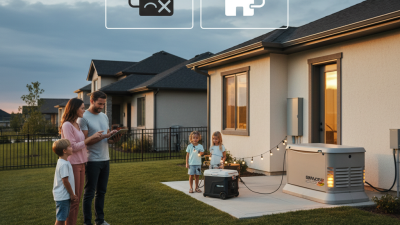
Standby power generators play a vital role in ensuring energy reliability during outages. At their core, these generators automatically activate when there is a power interruption, providing immediate backup. Understanding how they work is essential before making a purchase. For instance, most standby generators use either natural gas or propane as fuel. They typically feature an automatic transfer switch that detects power loss and starts the generator.
The global generator market size was valued at approximately $25 billion in 2022, with a projected annual growth rate of 5% through 2030. This growth highlights the increasing need for reliable electricity sources across residential, commercial, and industrial sectors. Furthermore, critical factors like power capacity, runtime, and portability should be considered when selecting a unit.
**Tips:** Always assess your energy needs before choosing a generator. Measure your home’s or business's wattage requirements. Additionally, think about maintenance. Regular checks can prevent costly repairs. Investigating local regulations can help avoid compliance issues. Remember, the right generator should fit your lifestyle, not complicate it.
2026 Standby Power Generator Output Comparison
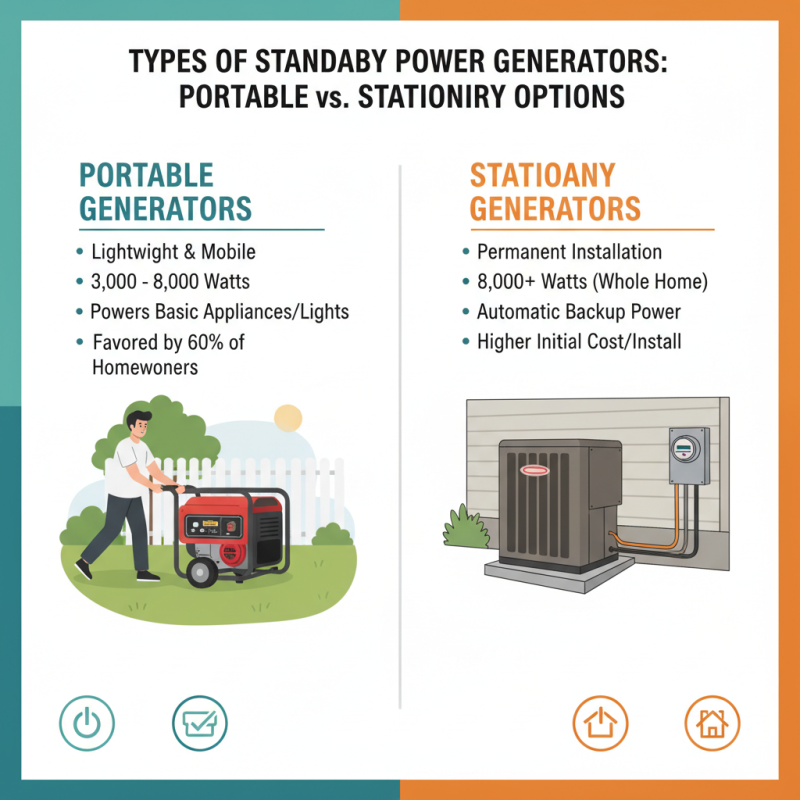
Types of Standby Power Generators: Portable vs. Stationary Options
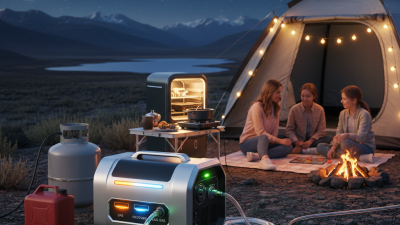
When selecting a standby power generator, understanding the differences between portable and stationary options is crucial. Portable generators are lightweight and can be easily moved to various locations. They typically offer a lower power output, averaging between 3,000 and 8,000 watts. This capacity is sufficient for basic appliances and emergency lighting. Reports indicate that nearly 60% of homeowners prefer portable generators for their flexibility during emergencies.
Stationary generators, on the other hand, are designed for permanent installation. Their power output can reach upwards of 20,000 watts or more. These generators are connected directly to a home’s electrical system. Industry data shows that market demand for stationary generators is on the rise, with growth estimated at over 10% per year through 2026. Many buyers appreciate their reliability and the security they provide during prolonged outages.
Despite their advantages, potential buyers should consider the installation costs and maintenance requirements of stationary units. Regular servicing is necessary to ensure functionality and longevity. Portable generators can also pose challenges when it comes to fuel supply and usage safety. Users must be aware of carbon monoxide risks. Making the right choice involves weighing pros and cons carefully.
Factors to Consider When Buying a Standby Power Generator
Choosing a standby power generator involves careful consideration of several factors. First, assess the power needs of your home or business. Calculate the wattage required for essential appliances. This helps determine the generator's capacity. Overshooting or undershooting can lead to inefficiencies.
Tips: Consider future energy needs. Will you expand or add new appliances? Allow for extra capacity. This ensures your generator will remain effective as your needs grow.
Next, think about fuel type. Common options include natural gas, propane, and diesel. Each has its pros and cons. For instance, natural gas connects directly to utility lines. It's convenient and often cheaper. Diesel generators can be more powerful and longer-lasting but may require more maintenance.
Tips: Reflect on your location. Accessibility to fuel types can affect your decision. Consider local regulations, too. Some areas have restrictions on certain fuels.
Finally, evaluate the generator's features. Look for automatic start capabilities or noise levels. Noise can be an issue, especially in residential areas.
Tips: Do not overlook ease of maintenance. A generator that is difficult to service may cost more in the long run. Think about whether you have the tools or expertise for upkeep.
Top Brands and Models in the Standby Power Generator Market
In the standby power generator market, several brands have emerged as leaders. Reports indicate that the global standby generator market is projected to grow at a CAGR of 5.6% from 2021 to 2028. This growth reflects the increasing demand for reliable power solutions, especially in residential and commercial sectors. Customers are now considering generators that provide not just power but also efficiency and durability.
Popular models in this market often feature advanced technology, such as automatic voltage regulation and remote monitoring capabilities. One industry standard report highlights that over 60% of buyers prioritize fuel efficiency. Consumers seek models that can operate quietly while delivering maximum output. However, the challenge lies in the variability of electricity demand and the requirement for regular maintenance. Many users tend to overlook maintenance schedules, leading to performance issues when power outages occur.
“It’s essential to research thoroughly before buying,” advises many experts. Insights show that many consumers may choose based on price alone, which can lead to long-term dissatisfaction. The ideal generator should meet users' needs and include features like surge protection or an eco-friendly option. Buyers should consider local climate conditions and the frequency of outages when making their decisions.
Maintenance and Safety Tips for Standby Power Generators
When it comes to standby power generators, maintenance and safety are crucial. Industry reports indicate that improper maintenance accounts for around 50% of failures. Regular checks can help prevent unexpected breakdowns. Keep the oil and fuel levels topped up. This simple step prolongs the life of your generator. Ensure air filters are clean and replace them when necessary. A clogged filter can strain the engine, leading to costly repairs.
Safety protocols must also be a priority. Generators can produce carbon monoxide, a silent killer. Install CO detectors near your generator to protect your family. Always operate generators outdoors, away from windows and vents. According to safety reports, improper placement leads to preventable accidents. Additionally, using the right extension cords is essential. Look for cords rated for the generator’s wattage to avoid overheating.
Training your household members is wise. Safety discussions should happen before emergencies arise. Teach everyone how to operate the generator. A lack of knowledge can lead to accidents. Routine maintenance checks and safety practices ensure reliability. However, it requires dedication and awareness. Keep records of maintenance activities to track performance over time. This approach helps identify patterns and areas needing attention. Balancing maintenance needs with safety measures requires continuous commitment.

 Sinotruk Parts
 Shacman Parts
 FAW Parts
 Dongfeng Parts
 Foton Parts
 CHENGLONG PARTS
 Golden Dragon Bus Parts
 King Long Parts
 Yutong Parts
 Higer Parts
 Zhongtong Parts
 Ankai Parts



 Mr. Perry Wu International Sales Director