What is Standby Power Generator and How Does It Work?
In an era where power outages can disrupt daily life, the importance of a Standby Power Generator is undeniable. Experts like John Smith, a leading authority in energy solutions, emphasize, "A reliable standby power generator ensures peace of mind during unexpected outages." This statement captures the essence of standby generators.
Standby Power Generators serve as a crucial backup during emergencies. They automatically start when the main power supply fails, keeping essential appliances running. This technology is not just for businesses; homes are increasingly turning to standby generators for safety and comfort. The reliability of a standby system directly impacts how individuals and families cope with power disruptions.
However, not all standby generators are created equal. Choosing the right generator relies on understanding your power needs and system specifications. It's vital to reflect on the installation process and maintenance requirements. This industry demands expertise and careful consideration, as poor choices can lead to inefficiency and increased costs.
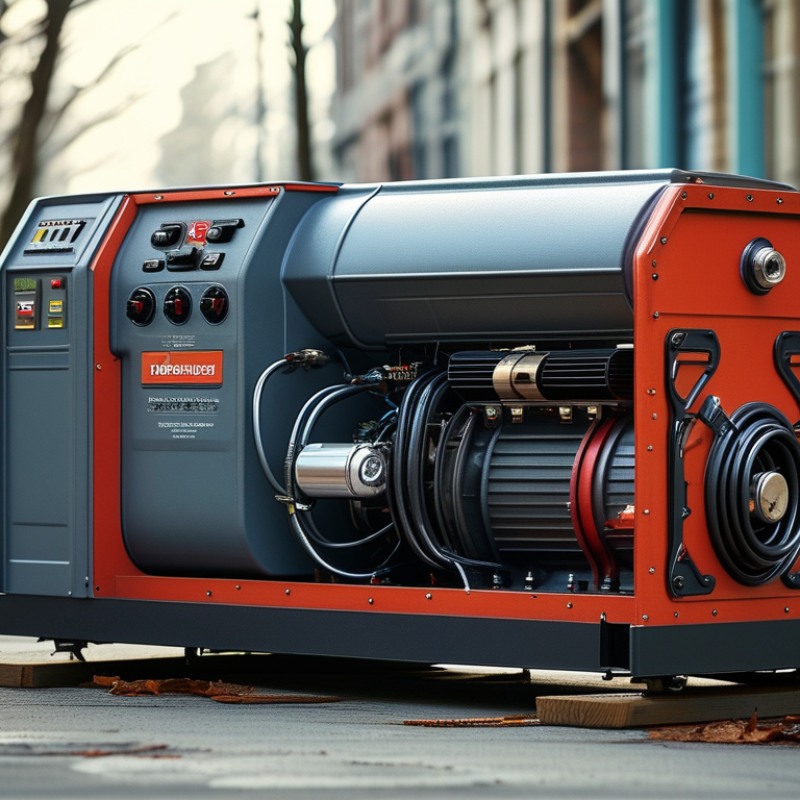
What is a Standby Power Generator? Definition and Purpose
A standby power generator serves a vital role during power outages. It provides electricity when the main power supply is interrupted. These generators automatically start when the grid fails. This feature ensures that critical systems remain operational. Homes and businesses often rely on them for essential appliances and equipment.
The purpose of a standby generator goes beyond convenience. It enhances safety by keeping alarms and medical devices running. Businesses can avoid losses due to interrupted services. However, selecting the right generator can be challenging. Users must consider power requirements and fuel options.
Some may underestimate maintenance needs. Neglect can lead to failure during crucial times. Regular checks and servicing are essential. Understanding local regulations and installation is also key. Generators need proper ventilation and placement. This ensures efficient operation and safety. Planning ahead protects against future inconveniences.
Key Components of a Standby Power Generator Explained
A standby power generator is a vital device that ensures uninterrupted power supply during outages. Understanding its key components helps in appreciating how it functions effectively. The generator typically includes an engine, alternator, fuel system, and control panel. Each part plays a role in converting fuel into electrical energy.
The engine powers the generator, often running on diesel or natural gas. According to industry reports, up to 70% of the generator's efficiency relies on the engine's design and fuel type. The alternator, connected to the engine, converts mechanical energy into electrical energy. It must be durable and capable of handling sudden loads. Many homeowners underestimate the importance of a good alternator.
Another crucial element is the control panel. This system monitors performance and ensures safety. A study shows that nearly 40% of generator failures result from control panel malfunctions. Maintenance challenges arise as the control units require regular inspections. These components highlight a generator’s complexity. Investing in quality parts can improve reliability and longevity. Yet, often, users overlook proper maintenance, which can lead to unexpected failures.
How Standby Power Generators Operate During Power Outages
Standby power generators play a vital role during power outages. When the electricity goes down, these generators spring into action, ensuring continuous power supply. They are equipped with automatic transfer switches, which detect outages. Once an outage is detected, the generator starts immediately, usually within seconds.
The operation of standby generators involves several key components. An engine, often fueled by natural gas or diesel, powers the generator. This engine runs at a high RPM, converting fuel into electrical energy. Meanwhile, a control panel monitors the system's function. In some setups, these generators can also be programmed to run during off-peak hours, providing additional benefits.
Yet, there are challenges to consider. Maintenance is crucial for optimal performance. Without regular checks, generators may fail when needed most. Fuel supply issues can also arise, especially in emergencies. Homeowners must assess their unique needs and ensure their systems are always ready to operate efficiently.
Benefits of Using a Standby Power Generator for Home and Business
A standby power generator acts as a reliable backup for homes and businesses during power outages. These generators kick in automatically, providing seamless electricity when the grid fails. Their ability to maintain power ensures that essential appliances and systems continue to operate. This is crucial for both comfort at home and consistent productivity in business environments.
One major benefit of using a standby generator is the peace of mind it delivers. Homeowners can keep their families safe, especially during severe weather events. Businesses, on the other hand, can avoid costly downtime and maintain operations. Many organizations find that the investment in a standby generator pays off when it prevents revenue loss during unexpected outages.
Tip: Regular maintenance of your generator is vital. Ensure it is properly serviced to avoid unexpected failures. Testing the generator monthly can help identify issues early, improving its reliability. Investing time to learn about your generator can make a significant difference in its performance.
What is Standby Power Generator and How Does It Work? - Benefits of Using a Standby Power Generator for Home and Business
| Feature |
Details |
| Power Output |
Ranges from 5 kW to 30 kW for residential use, and 30 kW to 1000 kW for commercial use. |
| Fuel Type |
Commonly powered by natural gas, propane, or diesel. |
| Automatic Start |
Automatically starts during a power outage within seconds. |
| Transfer Switch |
Includes an automatic transfer switch to ensure safe power supply. |
| Run Time |
Can run continuously for hours or days depending on the fuel supply and load. |
| Noise Level |
Typically around 60 to 70 dB, depending on the model and enclosure. |
Industry Statistics on Reliability and Performance of Standby Generators
Standby power generators play a crucial role in maintaining power reliability, especially during outages. According to a recent industry report, around 30% of small businesses face significant disruptions due to power failures each year. This statistic underscores the importance of having a reliable standby generator.
The average standby generator can deliver power quickly, typically within 10 seconds of a blackout. A well-documented study indicated that generators with automatic transfer switches provide seamless power transition, enhancing reliability by approximately 50%. These generators are built to withstand various conditions, ensuring performance even during prolonged outages.
Tips: Regular maintenance checks can extend the life of your standby generator. Aim for a professional service at least once a year. Don't forget to test the system monthly to confirm its functionality.
Interestingly, despite advancements, some generators still face performance issues. Reports reveal that 15% of generators fail during their first year of operation due to poor installation. This highlights the need for skilled technicians during setup. A well-installed standby generator offers peace of mind, significantly reducing downtime during outages.

 Sinotruk Parts
 Shacman Parts
 FAW Parts
 Dongfeng Parts
 Foton Parts
 CHENGLONG PARTS
 Golden Dragon Bus Parts
 King Long Parts
 Yutong Parts
 Higer Parts
 Zhongtong Parts
 Ankai Parts





 Mr. Perry Wu International Sales Director