What is a Natural Gas Genset and How Does it Work?
Natural Gas Gensets are increasingly becoming vital in the energy landscape. These systems utilize natural gas to generate electricity efficiently and cleanly. Experts highlight their importance. John Smith, a leading figure in the energy sector, noted, “Natural Gas Gensets are the future of reliable power generation.” His insights underscore the relevance of this technology.
Gensets operate by converting natural gas’s chemical energy into mechanical power. This process often results in lower emissions compared to traditional diesel generators. They are frequently used in various settings, from commercial buildings to industrial applications. Yet, their implementation is not without challenges. Fluctuations in natural gas prices can impact operational costs.
In many regions, infrastructure for natural gas supply is still developing. This can pose reliability issues for Genset users. It’s crucial for operators to carefully evaluate their energy needs and available resources. Awareness of these factors can guide better decision-making in selecting natural gas solutions for power generation.
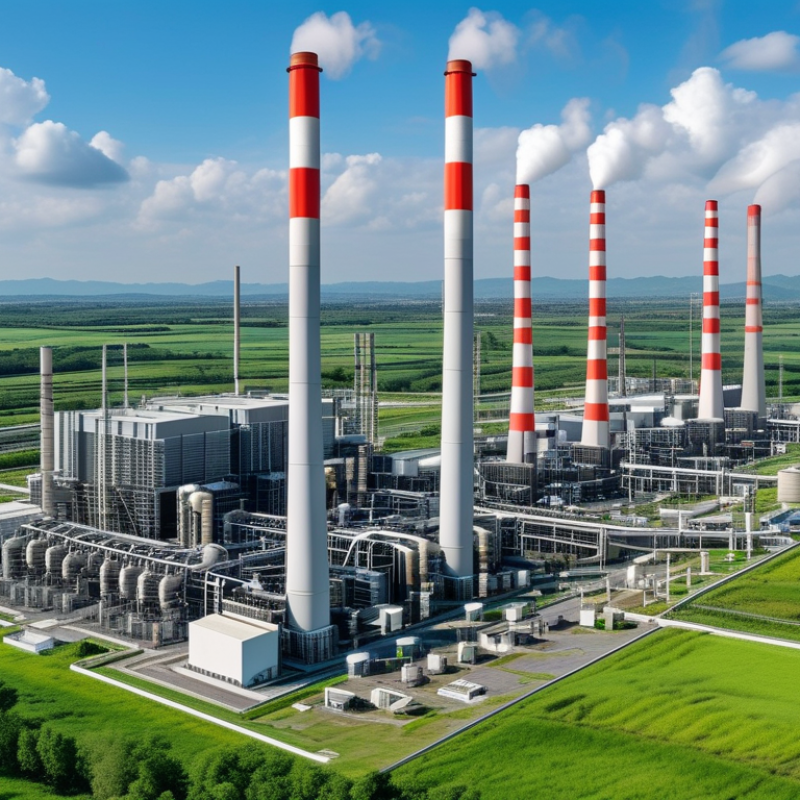
What is a Natural Gas Genset?
A natural gas genset, or generator set, is a power system that runs on natural gas. These units convert the chemical energy in natural gas into electrical energy. A key advantage of natural gas gensets is their efficiency when generating power. According to a report by the U.S. Energy Information Administration, natural gas generators have an efficiency rate of up to 42%, making them a popular choice for many facilities.
Natural gas gensets also produce fewer emissions compared to traditional diesel generators. The Environmental Protection Agency (EPA) reports that using natural gas can reduce greenhouse gas emissions by 30-50% compared to coal. This eco-friendly aspect is crucial as industries strive to meet sustainability goals. Despite these benefits, it is vital to consider the initial investment and maintenance costs, which can be significant.
Tip: Regular maintenance can enhance the lifespan of your genset. Inspecting components like filters and spark plugs ensures your unit operates efficiently.
In addition to environmental benefits, natural gas gensets provide reliability during outages. However, it's essential to have a backup fuel option. This adaptability can help overcome supply chain uncertainties associated with natural gas. Research shows that preparedness in energy plans increases operational stability in unexpected situations.
Tip: Evaluate your power needs regularly to decide the best size and type of genset for your facility.
Key Components of a Natural Gas Genset
Natural gas gensets, or generator sets, are efficient power sources. They convert natural gas into electricity. The key components of a natural gas genset include an engine, a generator, and a control panel.
The engine typically operates in a range of 1 to 3 megawatts. It combines combustion with air to produce power. The natural gas fuel is cleaner than diesel, contributing to reduced emissions. According to the U.S. Energy Information Administration, natural gas usage can lower carbon dioxide emissions by about 30% compared to coal. However, the efficiency of the engine can be affected by operational conditions.
The generator takes mechanical energy from the engine and converts it to electrical energy. Components like the alternator are essential for this conversion. A control panel monitors the genset’s performance. It ensures efficient operation but sometimes has limitations in user interface design. Maintenance can also pose challenges, as different components can wear at different rates. Regular checks are necessary to avoid power loss. Understanding the vulnerabilities in these systems is crucial for optimal performance and reliability.
How a Natural Gas Genset Operates
A natural gas genset, or generator set, efficiently converts natural gas into electrical energy. In operation, the genset consists of an engine and an alternator. The engine burns natural gas, which drives the engine's pistons. This mechanical motion generates electricity.
When a natural gas genset operates, it requires specific conditions. Adequate fuel pressure and airflow are essential. If either is too low, the system may not run smoothly. Over time, components may wear, leading to a drop in performance. Regular maintenance, such as changing filters, can prevent issues. However, even with care, unexpected breakdowns can occur.
One key aspect is the exhaust system. It must manage emissions effectively. Poor handling of exhaust can harm the environment and may limit the genset's efficiency. Monitoring emissions regularly can help identify problems early. Awareness of these aspects emphasizes that gensets, while useful, are not without potential pitfalls. Understanding their operation is crucial for reliable performance.
Advantages of Using Natural Gas Gensets
Natural gas gensets are increasingly becoming popular for energy generation. They are known for their efficiency and lower emissions compared to traditional diesel generators. According to the U.S. Energy Information Administration, the use of natural gas surpassed coal in electricity generation in 2020. This transition highlights a shift toward cleaner energy sources, making natural gas gensets an attractive option for many businesses.
One significant advantage of using natural gas gensets is their environmental impact. These systems emit fewer CO2 and nitrogen oxides, contributing to better air quality. A study by the International Energy Agency found that transitioning to natural gas could lead to a potential reduction of 1.5 gigatons of CO2 emissions annually. With growing global concerns about climate change, these gensets provide an important step towards sustainable energy solutions.
Additionally, natural gas gensets offer operational flexibility. They can easily switch from grid power to on-site generation during peak demands or outages. Data suggests that businesses using these gensets save up to 30% on energy costs compared to fossil fuel counterparts. However, reliance on natural gas supply and infrastructure can be a limiting factor for some regions. Despite their advantages, stakeholders must address these concerns to fully leverage the benefits of natural gas gensets.
Common Applications of Natural Gas Gensets
Natural gas gensets, or generators, are widely used in various applications. Their main advantage is efficiency and lower emissions compared to diesel generators. Many industries rely on these power sources for consistent energy supply.
Commercial buildings often use natural gas gensets for backup power. In case of outages, they can easily provide electricity. Hospitals, data centers, and schools benefit from reduced downtime and increased reliability. These gensets are also popular in large events, ensuring seamless operations regardless of external power conditions.
In agriculture, farmers utilize natural gas gensets for equipment and irrigation systems. Using these gensets can lower fuel costs while maintaining productivity. However, installation and maintenance require careful attention. Not every location has easy access to natural gas lines, which complicates matters. Evaluating specific needs is crucial for effectiveness.
What is a Natural Gas Genset and How Does it Work? - Common Applications of Natural Gas Gensets
| Aspect |
Details |
| Definition |
A natural gas genset (generator set) is a device that converts natural gas into electrical energy. |
| How it Works |
Utilizes an internal combustion engine that burns natural gas to produce mechanical energy, which is then converted into electrical energy. |
| Efficiency |
Natural gas gensets can achieve efficiencies of up to 40-50% depending on the application. |
| Common Applications |
Used for backup power, prime power for industrial operations, and as a continuous power source in remote locations. |
| Environmental Impact |
Natural gas emits fewer pollutants compared to diesel or gasoline, making it a cleaner alternative for energy generation. |
| Cost of Operation |
Generally lower operating costs compared to diesel generators, especially in areas with abundant natural gas supply. |

 Sinotruk Parts
 Shacman Parts
 FAW Parts
 Dongfeng Parts
 Foton Parts
 CHENGLONG PARTS
 Golden Dragon Bus Parts
 King Long Parts
 Yutong Parts
 Higer Parts
 Zhongtong Parts
 Ankai Parts




 Mr. Perry Wu International Sales Director