2026 How to Choose the Right Industrial Genset for Your Needs?
Choosing the right Industrial Genset can significantly impact operational efficiency and cost management. The global genset market is projected to reach $28 billion by 2026, indicating robust growth. With increasing energy demands and the rise of renewable energy, selecting the appropriate genset becomes crucial for businesses.
Many industries depend on reliable power solutions. In construction, healthcare, and manufacturing, an Industrial Genset ensures continuous operations. A report from MarketsandMarkets highlights that hybrid gensets are gaining traction, combining traditional and renewable sources. These advancements make the right choice more complex yet essential.
Understanding your specific needs is vital. Consider factors such as load requirements, fuel type, and runtime. An unsuitable genset can lead to system inefficiencies and unexpected downtime. Thus, thorough research and expert advice are important before making a decision. Your choice can have lasting implications on both performance and costs.
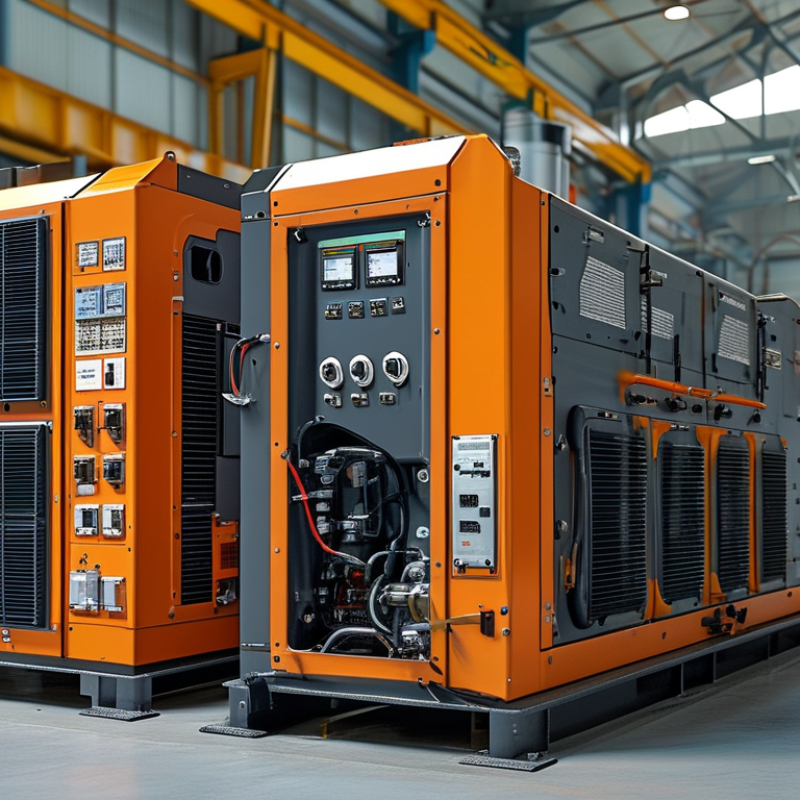
Understanding Your Power Needs for Industrial Applications
Understanding your power needs for industrial applications is critical. Start by assessing the total load. Calculate the wattage of all equipment you plan to power. This includes motors, lights, and HVAC systems. Make sure to factor in starting and running wattages. Some equipment requires much more power when it first starts.
Consider the duration of use. Will the genset run continuously or only during peak times? Different applications have varying demands. Choosing a genset that matches these needs can prevent shortfalls. Be mindful of future expansion as well. A genset too small today may not meet demands later.
Lastly, think about the environment. Noise levels and emissions can affect your choice. Certain locations require quieter operation. In some industries, strict emissions standards exist. Reflecting on these aspects ensures better alignment with operational goals. Selecting the appropriate genset may take time, but it pays off. Balancing efficiency and power reliability is essential for your industrial applications.
Evaluating Different Types of Generators and Their Features
When selecting the right industrial genset, understanding the different types available is crucial. Diesel generators are widely used due to their reliability and fuel efficiency. They offer substantial power output, making them suitable for large operations. However, they require regular maintenance and attention to emissions. Gas generators are cleaner alternatives, providing lower operational costs. They are ideal for facilities looking to reduce their carbon footprint.
Another option is solar-powered generators. These units harness renewable energy, making them environmentally friendly. They may not provide continuous power, but are great for reducing dependency on fossil fuels. Each type of generator has unique features that can affect performance and usability. Assessing your specific power needs is essential, as overestimating can lead to excessive costs.
It’s important to consider the installation and operational challenges each generator presents. For instance, fuel storage for diesel models can be cumbersome. Solar installations require adequate space and sunlight exposure. Failing to address these factors may hinder efficiency in the long run. Choosing a generator involves more than just power metrics; it also demands careful evaluation of practicality and sustainability.
Assessing Fuel Types and Efficiency for Optimal Performance
Choosing the right industrial genset involves understanding fuel types and their efficiency. Diesel, natural gas, and propane are common options. Each has distinct characteristics that influence performance and cost. For instance, diesel generators often provide greater efficiency and durability. However, they may come with higher emissions. Natural gas gensets are cleaner but might be less available in remote areas.
Fuel efficiency is a key consideration. A genset that uses fuel efficiently can save significant costs over time. Always assess the fuel consumption rates before making a decision. Look into the load requirements of your operation to determine the right match. Ignoring load capacity can lead to performance issues.
Consider maintenance aspects as well. Some fuel types require more upkeep than others. This can impact your operational efficiency and expenses. Evaluating the long-term implications of fuel choice is crucial. Make sure you think about accessibility and availability of the fuel type in your location. Always reflect on your specific needs and don’t hesitate to seek expert advice when in doubt.
2026 How to Choose the Right Industrial Genset for Your Needs?
| Fuel Type |
Efficiency (%) |
Typical Applications |
Operating Costs ($/hr) |
Environmental Impact |
| Diesel |
32 - 40 |
Construction, Mining |
20 - 30 |
Moderate |
| Natural Gas |
35 - 45 |
Industrial, Commercial |
15 - 25 |
Low |
| Propane |
30 - 38 |
Agricultural, Backup |
18 - 28 |
Moderate |
| Biodiesel |
30 - 38 |
Generators, Farms |
25 - 35 |
Low |
| Solar Genset |
15 - 25 |
Remote Locations |
Varies |
Very Low |
Determining Budget and Cost of Ownership Factors
When choosing an industrial genset, budget plays a crucial role. Industry reports show that upfront costs can range significantly. A standard diesel genset may cost between $15,000 to $50,000. However, the total cost of ownership extends far beyond this initial investment. Ongoing fuel costs, maintenance, and repairs can add another 20-30% annually to your budget.
Operational efficiency is a key factor affecting these costs. Gensets with higher efficiency ratings consume less fuel. By opting for models with Tier 4 engines, you can potentially save thousands over the unit’s lifespan. A recent analysis revealed that businesses could reduce operational costs by nearly 15% by investing in more energy-efficient gensets. It's important to evaluate these aspects against your specific operational requirements.
Additionally, consider the potential downtime costs associated with genset failure. The average cost of a power outage in industrial settings can exceed $100,000 per hour. Weigh the risks of lower-priced options against reliability. A genset that requires frequent repairs may not be the bargain it seems. Ensure to factor in all ownership costs when making your decision.
2026 Industrial Generators: Budget and Cost of Ownership Analysis
Exploring Maintenance and Support Options for Reliability
Choosing the right industrial genset requires not just specifications but also reliable maintenance and support. Reports indicate that 30% of industrial generators experience failure due to inadequate upkeep. This statistic highlights the significance of proper maintenance options in ensuring the reliability of your genset.
Regular inspections and maintenance can increase equipment lifespan by up to 50%. Many facilities overlook scheduled servicing, which can lead to unforeseen breakdowns. It’s crucial to have a reliable support system in place. This includes access to professional technicians familiar with your specific system. Knowing the location of parts suppliers is equally important, as this can reduce downtime significantly.
It is essential to evaluate service contracts before purchasing. Not all suppliers offer the same level of support or response time. A comprehensive service package may seem more expensive upfront but can save costs in the long run. Hidden expenses from breakdowns can quickly add up, rivaling the initial purchase price. Assessing the long-term benefits of maintenance can lead to better investment decisions.

 Sinotruk Parts
 Shacman Parts
 FAW Parts
 Dongfeng Parts
 Foton Parts
 CHENGLONG PARTS
 Golden Dragon Bus Parts
 King Long Parts
 Yutong Parts
 Higer Parts
 Zhongtong Parts
 Ankai Parts





 Mr. Perry Wu International Sales Director