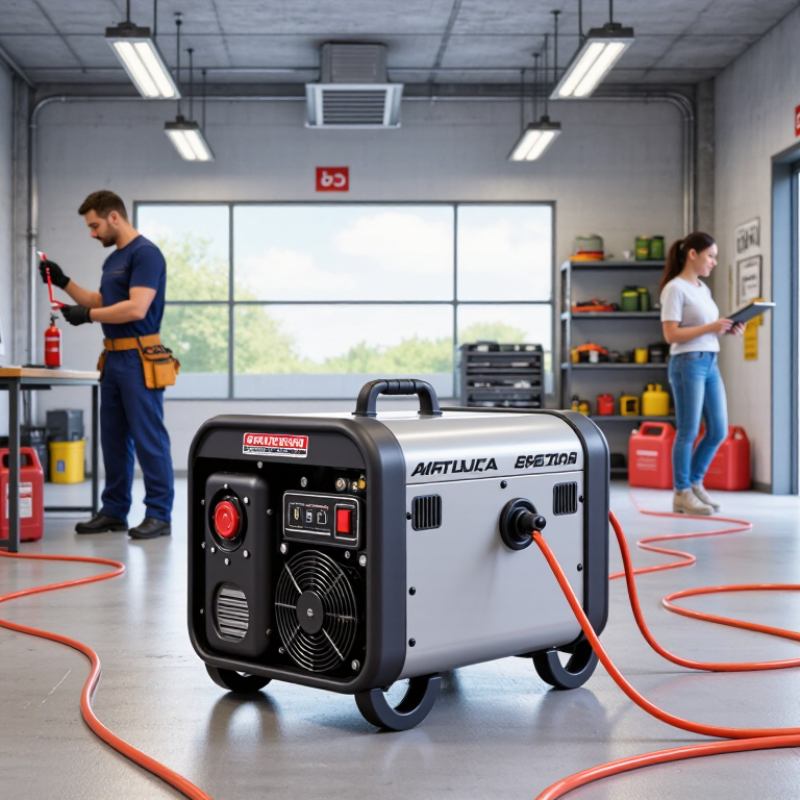
When a power outage stops your operations, every minute can affect customers, staff, and revenue. A Gasoline Generator offers a practical backup option for many small businesses, workshops, retail stores, and service providers. It can power essential equipment when the grid fails, from refrigerators and lighting to computers and selected tools. Its familiar engine design also makes routine inspection easier for trained maintenance staff.
The main advantage is flexibility. Many gasoline models are compact, portable, and relatively simple to start. A business can move one unit between work areas or store it for emergency use. However, choosing the right model requires more than checking its advertised wattage. Managers should calculate starting loads, continuous demand, fuel consumption, operating noise, and expected runtime. A generator that looks powerful may struggle with motors, compressors, or several devices starting together.
That detail matters.
Reliable use also depends on disciplined preparation. Operators should follow the manufacturer’s instructions, inspect cables, test the unit under realistic loads, and keep fuel stored safely according to local requirements. Gasoline engines produce carbon monoxide and must never operate indoors or near openings. They also require ventilation, regular oil checks, and scheduled servicing. These responsibilities can seem inconvenient, but ignoring them creates avoidable risks. A Gasoline Generator is not a perfect solution for every business. Noise, fuel storage, emissions, and maintenance may influence the decision. Still, when portability, quick availability, and moderate backup demand matter, it can provide dependable support when properly selected and managed.
A gasoline generator is a machine that produces electricity by combining a gasoline engine with an alternator. The engine burns fuel and creates mechanical motion. The alternator converts that motion into electrical power for connected equipment. A typical unit includes a fuel tank, starter, control panel, circuit protection, and engine oil system. Output is measured in watts, while voltage describes the electrical pressure delivered to devices.
For a business, this equipment can support lights, payment terminals, small refrigeration units, tools, or communication devices during an outage. The correct size depends on both running watts and startup watts. A refrigerator compressor, for example, may briefly demand much more power than its label suggests. That detail is easy to miss. In practical use, gasoline generators are valued for quick refueling and convenient transport, but they also create noise, exhaust, and heat. They must operate outdoors, far from doors, windows, and air intakes, because carbon monoxide can accumulate indoors without warning. Regular oil checks, clean air filters, and inspected cables improve dependable operation. Fuel quality and storage conditions matter too. A poorly maintained unit may start loudly, then fail when the business needs it most. The choice is not always neat; runtime, ventilation, noise limits, load behavior, and maintenance time all deserve careful review.
A gasoline generator converts stored fuel into usable electrical power for business operations. Its engine burns gasoline in a controlled combustion cycle. This movement turns a crankshaft connected to an alternator. The alternator then produces electricity through electromagnetic induction.
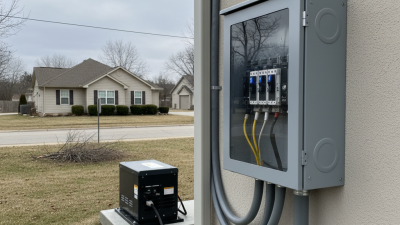
In a small workshop, the generator may power lights, computers, and selected tools during an outage. A transfer switch directs electricity safely between the utility supply and the generator. It also prevents dangerous backfeeding into power lines. Sensitive equipment may need voltage regulation, because engine speed changes can cause brief power fluctuations. Keep loads within the rated capacity.
The process is practical, but not effortless. Starting a cold engine can take several attempts in winter. Fuel quality also matters. Old gasoline may clog the carburetor and delay startup. I have seen a unit run smoothly with lights connected, then struggle when a compressor started suddenly. That experience makes load planning essential. Operators should inspect oil levels, ventilation, cables, and fuel containers before use. The generator must operate outdoors, away from doors and windows, because carbon monoxide is invisible and deadly. Regular testing under realistic loads reveals problems that a short no-load start may hide. Noise can also disturb staff and nearby businesses, so placement requires careful planning. A gasoline generator offers useful flexibility, but its performance depends on disciplined operation, accurate sizing, and routine maintenance.
Gasoline generators suit businesses that need flexible, short-term power rather than continuous operation. Small retailers can keep lights, payment devices, and security systems running during brief outages. Food trucks and outdoor vendors may power refrigerators, warming equipment, and task lighting at changing locations. Their compact frames make transport easier, especially when a team works across several sites.
Construction crews can use them for drills, saws, chargers, and temporary lighting. Event contractors may also rely on portable units for sound equipment or booth lighting. However, gasoline engines can be louder than expected in quiet areas. They also require careful refueling, ventilation, and routine inspections. A busy manager might overlook oil checks during a rushed morning. That mistake can shorten service life and interrupt work.
Tips: Match the generator’s rated output to the equipment’s running and starting loads. Leave extra capacity for motor-driven tools. Keep the unit outdoors, away from doors and windows, and follow local safety requirements. Use fresh fuel stored in approved containers. Test the generator before an important event, not during one. A simple load test can reveal unstable connections, damaged cords, or overload risks. Record operating hours and maintenance dates. This small habit improves reliability, although it is easy to neglect when business is busy.
For many small businesses, a gasoline generator offers practical backup power without complicated installation. It can support lights, payment terminals, routers, refrigerators, and selected tools during an outage. Its compact frame helps crews move power between a shop, event site, or temporary work area. Gasoline is widely available, which can simplify emergency refueling when local supply remains open. Many models start quickly, making them useful for short interruptions that could halt sales or spoil temperature-sensitive stock. Still, fuel storage needs care, and gasoline availability is never guaranteed.
The main advantage is flexibility. Businesses can match generator size to essential loads instead of powering every circuit. This may reduce purchase and operating costs. Gasoline units are often easier to transport and simpler for occasional users to understand. Practical maintenance experience shows that clean fuel, fresh oil, and regular test runs prevent many avoidable failures. Noise and exhaust remain limitations, especially near customers or enclosed workspaces. Safe outdoor placement, ventilation, grounding, and local requirements should guide every installation. Rushed setups can fail when convenience replaces load planning.
Tips: List essential equipment before buying. Add each wattage, then allow starting power for motors and compressors. Test the generator under load each month. Keep fuel in approved containers, rotate stored fuel, and never operate the unit indoors. Ask a qualified electrician to review transfer equipment and connection procedures.
Businesses should begin with the load, not the generator’s advertised wattage. List refrigerators, pumps, computers, lights, and starting surges. A small shop may need 5 kW, while a workshop may require far more. The U.S. Energy Information Administration reports that one gallon of gasoline contains approximately 120,000 Btu. However, usable electrical output depends on engine efficiency, load, altitude, and maintenance. Fuel consumption can rise sharply when motors start. That detail is often missed.
Check runtime, refueling access, and storage rules before purchasing. Gasoline is widely available, but it can degrade during long storage. NFPA 110 emphasizes regular inspection and operational testing for emergency power systems. A business should also confirm ventilation, grounding, transfer equipment, and carbon monoxide protection. The U.S. Consumer Product Safety Commission reports that portable generators are linked to dozens of carbon monoxide deaths annually, making placement a serious operational decision. Never place one inside a building, garage, or loading area.
Noise and emissions may affect employees, customers, and nearby properties. The U.S. Environmental Protection Agency regulates emissions from nonroad engines, but compliance does not eliminate local nuisance concerns. Measure the expected sound level near offices and entrances. Ask about service intervals, cold starts, replacement parts, and warranty support. A gasoline generator may offer quick deployment and lower initial cost. Still, that advantage weakens when the business needs continuous, unattended operation. Some calculations will be imperfect. Review real fuel use after the first month, then adjust the emergency plan.
| Business Factor | What to Evaluate | Typical Gasoline Generator Information | Business Advantage | Potential Limitation | Practical Recommendation |
|---|---|---|---|---|---|
| Power Capacity | Calculate the continuous and starting wattage of essential equipment, including motors, pumps, refrigeration units, and computers. | Portable gasoline generators commonly range from approximately 2 kW to 15 kW. Larger commercial units may provide higher output. | Suitable for small shops, temporary work areas, mobile services, and selected emergency loads. | Insufficient capacity can cause overloads, voltage instability, or equipment shutdowns. | Choose a unit with approximately 20%–25% reserve capacity above the calculated running load. |
| Fuel Availability | Assess whether gasoline is readily available near the business location and whether safe storage is possible. | Gasoline is widely available in many regions and is commonly used by portable equipment. | Convenient refueling during short-term outages or off-site operations. | Gasoline has a limited storage life and may degrade if stored improperly. | Use approved fuel containers, rotate stored fuel, and follow local fire-safety requirements. |
| Runtime | Determine how long the generator must operate without refueling and whether the load will vary. | Many portable models provide roughly 6–12 hours of runtime at moderate load, depending on tank size and efficiency. | Works well for short outages, events, construction tasks, and scheduled maintenance periods. | Frequent refueling may be required during extended outages or high-load operation. | Compare runtime at 50% load rather than relying only on the maximum advertised runtime. |
| Purchase Cost | Compare the initial generator price with installation, fuel, maintenance, transfer equipment, and storage costs. | Gasoline units generally have a lower initial purchase cost than many permanently installed backup systems. | Reduces the entry cost for businesses that need occasional or portable backup power. | The total cost may increase if the generator is used frequently or requires manual operation. | Estimate total ownership cost over the expected service period, not only the purchase price. |
| Portability | Consider the generator’s weight, wheel kit, lifting points, and the distance between storage and operating locations. | Portable gasoline generators are designed for relocation, although larger units may require two or more people to move safely. | Can support multiple work areas, temporary facilities, field service teams, and outdoor operations. | Moving heavy equipment can create injury and transport risks. | Check weight, dimensions, handles, wheels, and available transport equipment before purchase. |
| Noise Level | Review the rated sound level and determine whether the generator will operate near customers, offices, or neighboring properties. | Many gasoline generators operate at approximately 60–75 dB(A), depending on load, enclosure, and design. | Can provide practical temporary power without requiring a permanent utility connection. | Noise may disturb staff, customers, residents, or workers in quiet environments. | Compare measured sound ratings, use distance and barriers, and comply with local noise restrictions. |
| Maintenance | Review oil changes, air-filter service, spark-plug replacement, battery care, and periodic test runs. | Gasoline engines require routine maintenance and should be exercised periodically when used as standby equipment. | Maintenance procedures are widely understood and replacement consumables are generally accessible. | Neglected fuel systems can develop starting problems, especially after extended storage. | Follow the operating manual and maintain a written inspection and service schedule. |
| Safety and Ventilation | Evaluate carbon-monoxide exposure, fuel handling, hot surfaces, grounding, and weather protection. | Gasoline generators produce carbon monoxide and must be operated outdoors, away from doors, windows, and air intakes. | Safe operation is achievable when placement, ventilation, and electrical procedures are controlled. | Indoor or enclosed operation can cause fatal carbon-monoxide accumulation and fire hazards. | Install carbon-monoxide alarms where appropriate and never operate the generator inside a building or enclosed area. |
| Electrical Connection | Determine whether loads will use receptacles, extension cords, or a professionally installed transfer switch. | Portable units commonly provide standard outlets; connection to building circuits requires suitable transfer equipment. | Offers flexible temporary power for selected appliances and equipment. | Improper backfeeding can endanger utility workers and damage electrical systems. | Use a qualified electrician for building connections and follow applicable electrical codes. |
| Power Quality | Identify sensitive loads such as servers, medical devices, control systems, and precision electronics. | Output quality varies by generator design; inverter models generally provide cleaner, more stable power for sensitive electronics. | Can support business-critical equipment when the generator’s specifications match the load requirements. | Some conventional units may not be appropriate for sensitive electronics without additional protection. | Check voltage regulation, frequency stability, total harmonic distortion, and surge protection requirements. |
| Environmental Conditions | Consider temperature, rain, dust, altitude, ventilation, and the expected operating surface. | Performance may decline at high altitude, extreme temperatures, or in dusty and poorly ventilated locations. | Useful for outdoor work and temporary operations when properly protected. | Exposure to rain, dust, or excessive heat can reduce reliability and create safety concerns. | Use a suitable operating shelter that allows adequate airflow and keeps the generator dry without enclosing it. |
| Business Continuity | Decide whether the generator is for occasional backup, scheduled operations, or frequent prime-power use. | Gasoline generators are generally most appropriate for short-duration, intermittent, or portable applications. | Provides a flexible backup option without committing to a permanent installation. | Frequent long-duration operation may increase fuel, maintenance, and downtime risks. | For regular extended operation, compare other fuel types and permanently installed systems before deciding. |
| Compliance and Insurance | Review local requirements for fuel storage, emissions, electrical installation, workplace safety, and noise. | Requirements vary by jurisdiction, business type, building use, and generator location. | Documented compliance can reduce operational risk and support insurance requirements. | Non-compliance may result in fines, denied claims, or unsafe working conditions. | Confirm requirements with local authorities, the site safety officer, and the insurance provider. |

| Overall guidance: A gasoline generator can be a practical choice for businesses needing portable, lower-cost power for short-term or intermittent use. Before purchasing, verify load capacity, runtime, safe placement, electrical connection requirements, fuel management, maintenance needs, and local regulations. | |||||