Top Biogas Gensets in 2026: Key Features and Benefits Explained
As the world embraces sustainable energy, Biogas Gensets are gaining attention. These powerful systems convert organic waste into energy. This innovation reduces waste and provides electricity and heat.
In 2026, we expect to see advanced Biogas Gensets with new features. Enhanced efficiency and lower emissions will be essential. Some models may struggle with initial costs and maintenance. Not all users will find the same benefits.
Understanding these systems is crucial for effective implementation. The potential for growth in biogas energy is significant. However, we must address challenges like infrastructure and public acceptance. Exploring these aspects helps paint a clearer picture of 2026's biogas landscape.
Top Biogas Gensets: An Overview of Current Technologies
Biogas gensets are becoming popular in renewable energy sectors. These systems primarily convert organic materials into electricity. The most common feedstocks include agricultural waste, food scraps, and sewage. A key feature of these gensets is their ability to produce energy from local waste sources, promoting sustainability.
Current technologies focus on improving efficiency. Digesters and engines work together to optimize biogas production. Heat recovery systems further enhance energy output. However, challenges remain. Some systems struggle with maintenance, leading to downtime. Reliability can vary based on feedstock quality. Additionally, the technology can be complex and require specialized skills to operate.
Advancements in biogas gensets aim to provide better user experiences. Smart monitoring tools are being developed to track performance. This helps operators make more informed decisions. Despite these innovations, there are still areas needing improvement. Understanding the nuances of different feedstocks is essential. This knowledge could maximize production and reliability for future projects.
Key Features of Leading Biogas Gensets in 2026
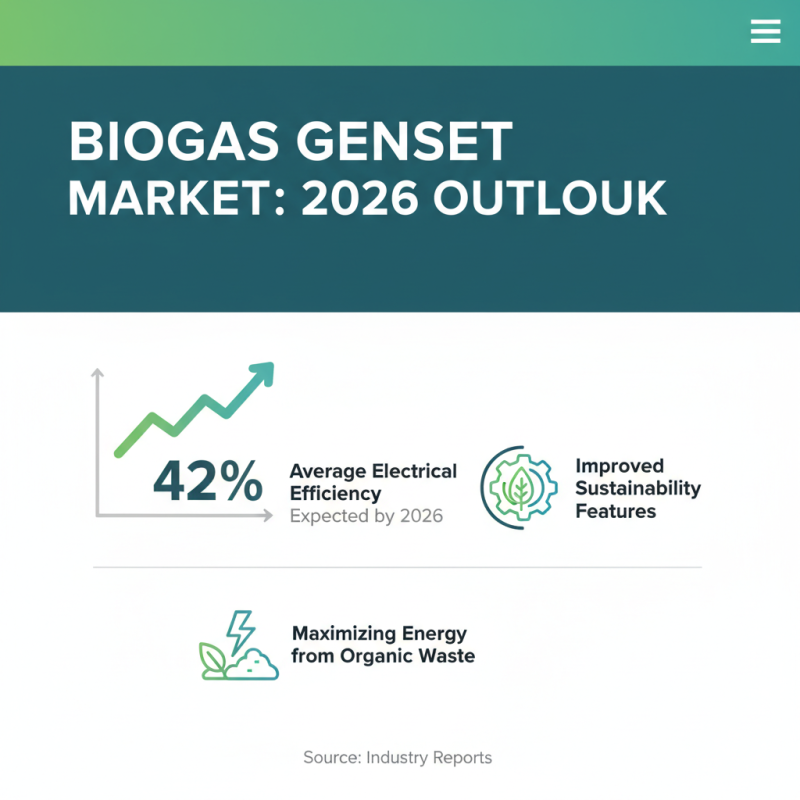
As we approach 2026, the biogas genset market is evolving rapidly. Leading models are showing impressive efficiency and sustainability features. According to recent industry reports, the average electrical efficiency of biogas gensets is expected to reach 42% by 2026. This improvement is crucial for maximizing energy output from organic waste.
The reduction in greenhouse gas emissions is another key feature. Innovative biogas gensets can help reduce emissions by up to 70% compared to conventional fossil fuel options. This is not just a trend; it's a response to global climate challenges. Compact designs are also trendy. Many units now feature modular builds, allowing easier installation in constrained spaces. This flexibility may attract users from diverse sectors, from agriculture to municipal waste management.
While these advancements are significant, challenges remain. Maintenance can be tricky due to complex components. Technical knowledge is required for optimal functioning. Many small-scale operators struggle with this aspect. Additionally, the cost of renewable energy technologies can be a barrier. As the market evolves, balancing cost and efficiency will be crucial. Efforts to educate users about managing these gensets effectively will be essential for widespread adoption.
Environmental Benefits of Using Biogas Gensets
Biogas gensets are increasingly popular for their environmental benefits. They convert organic waste into energy, reducing landfill waste. This process lowers greenhouse gas emissions. Using these gensets can significantly decrease a facility’s carbon footprint.
One key advantage is sustainability. Biogas is renewable and can provide a steady energy source. This is crucial as we move toward cleaner energy. It also enhances energy security for many communities. More organizations are shifting to biogas for a greener approach.
Tips for optimizing biogas gensets include regular maintenance checks. Ensure that the system is free from blockages. Monitor gas quality to maintain efficiency. You might face challenges with production rates. Continuous education and training can improve operations. Consider collaborating with experts for better results.
Top Biogas Gensets in 2026: Key Features and Benefits Explained - Environmental Benefits of Using Biogas Gensets
| Genset Model |
Power Output (kW) |
Fuel Type |
Efficiency (%) |
Emissions (g CO2/kWh) |
Key Features |
Environmental Benefits |
| Model A |
100 |
Biogas |
40 |
50 |
Compact design, Low noise |
Reduces greenhouse gas emissions |
| Model B |
250 |
Biogas |
45 |
40 |
High efficiency, Flexible operation |
Promotes waste management and energy recovery |
| Model C |
150 |
Biogas |
38 |
55 |
Robust construction, Easy maintenance |
Contributes to local air quality improvement |
| Model D |
300 |
Biogas |
50 |
35 |
Advanced monitoring, Remote control |
Supports renewable energy goals |
Economic Advantages: Cost Savings and Incentives
In 2026, the biogas genset market is set to expand significantly. Many businesses are discovering the economic advantages associated with these energy solutions. Cost savings stand as a central benefit. According to a recent industry report, facilities using biogas can reduce energy costs by up to 30%. This is a substantial reduction that can enhance overall profitability.
In addition to savings, there are attractive incentives available. Governments are promoting renewable energy investments. For instance, various tax credits can cover up to 50% of installation costs. These incentives make transitioning to biogas more appealing. But, businesses often overlook eligibility criteria. Consulting with experts can clarify these options.
Tip: Always evaluate your current energy expenditure. This analysis helps establish a baseline for potential savings.
The shift to biogas also presents challenges. Initial setup costs can be high. Some companies hesitate to invest without guaranteed returns. It's crucial to conduct detailed feasibility studies. These studies can highlight both long-term savings and potential obstacles. A cautious approach can mitigate risks while leveraging the advantages of biogas.
Tip: Engage with peers or industry consultants to understand real-life experiences with biogas systems. Their insights can guide your decision-making process.
Future Trends in Biogas Generator Technologies and Applications
The biogas generator market is evolving rapidly. Future trends indicate a shift towards enhanced efficiency and sustainability. According to a recent report, the market for biogas is projected to grow at a CAGR of 10.33% from 2021 to 2026. This growth is driven by the increasing demand for renewable energy solutions.
Technologies such as anaerobic digestion are becoming more innovative. Improved digesters can enhance gas yield and overall efficiency. The integration of Artificial Intelligence in monitoring systems is also on the rise. These advancements can lead to better resource management and lower operational costs. However, some challenges remain. The variability in biogas quality can affect energy output and equipment lifespan.
Tips: Regular maintenance is critical for optimal performance. Monitoring gas composition helps in adjusting the process. Investing in training for staff can prevent operational mishaps.
The applications of biogas generators are broadening. They are not only used for electricity generation but also in heating and vehicle fuel. A clear trend is the adaptation of biogas solutions for urban waste management. This reflects a growing awareness of waste-to-energy systems. While the future looks promising, there is a need for more robust infrastructure. As the industry advances, so too should our approaches to implementation and technology integration.
Top Biogas Gensets in 2026: Key Features and Benefits Explained
This chart illustrates the key performance metrics of biogas gensets in 2026, showcasing their efficiency, power output, emissions reductions, and operational costs. These advancements highlight the growing relevance and benefits of biogas technology in sustainable energy solutions.

 Sinotruk Parts
 Shacman Parts
 FAW Parts
 Dongfeng Parts
 Foton Parts
 CHENGLONG PARTS
 Golden Dragon Bus Parts
 King Long Parts
 Yutong Parts
 Higer Parts
 Zhongtong Parts
 Ankai Parts


 Mr. Perry Wu International Sales Director