
- Home
- About Us
- Products
- News
- Blog
- Contact Us
 Sinotruk Parts
 Shacman Parts
 FAW Parts
 Dongfeng Parts
 Foton Parts
 CHENGLONG PARTS
 Golden Dragon Bus Parts
 King Long Parts
 Yutong Parts
 Higer Parts
 Zhongtong Parts
 Ankai Parts
Leave Your Message
Biogas is moving from farm-scale experiment to a practical source of dispatchable energy. The International Energy Agency’s Outlook for Biogas and Biomethane (2020) estimates sustainable production potential at about 570 million tonnes of oil equivalent, nearly 20% of today’s global gas demand. This is a technical potential, not a forecast of projects that will be built. The distinction matters.
A Bio Gas Generator converts biogas into electricity and, in combined heat-and-power systems, useful heat. For global buyers, the equipment choice is only part of the investment. Gas composition, moisture, hydrogen sulphide, service access, and local operating conditions affect reliability. A unit beside a digester may face corrosive gas, muddy access roads, and fluctuating feedstock. Small details count. The IEA’s Renewables 2018 report described bioenergy as “the overlooked giant of renewables,” a phrase associated with Executive Director Fatih Birol.
This Top 10 guide compares manufacturers through buyer-focused criteria: operating experience, product range, efficiency claims, emissions documentation, controls, warranties, and after-sales support. It also considers whether suppliers explain performance assumptions clearly. A quoted electrical output alone can hide important differences in fuel quality, auxiliary loads, and maintenance needs. No ranking can replace a site-specific assessment. The evidence available publicly is uneven, and that is worth acknowledging. Buyers should verify references, service coverage, and performance guarantees before committing capital.
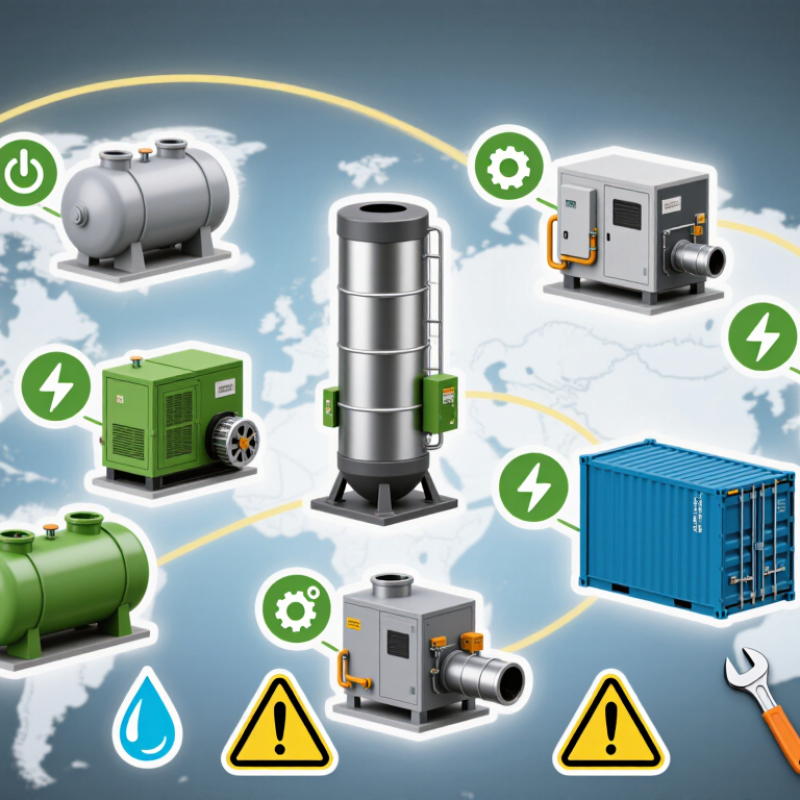
A biogas generator converts gas produced from decomposing organic material into electricity. In a sealed digester, microorganisms break down manure, food scraps, or other suitable feedstock without oxygen. The resulting biogas contains methane, which can burn, along with carbon dioxide, water vapor, and small amounts of other compounds. Its composition changes with the feedstock and operating conditions. It is not perfectly consistent.
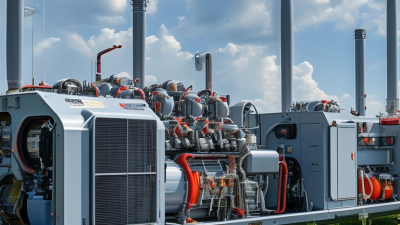
Gas usually passes through moisture removal and treatment before reaching an engine. This matters because water and contaminants, including hydrogen sulfide, can corrode equipment or shorten engine life. The engine burns the methane-rich gas and turns an alternator, producing electrical power. A gas holder and pressure controls help maintain a steady supply, though output can still fluctuate. Small changes matter.
Some systems also capture heat from the engine’s exhaust and cooling circuit for hot water or process heating. That can improve useful energy recovery, but only when there is a nearby, dependable heat demand. Operators typically monitor gas quality, pressure, engine temperature, and digester conditions. From a practical perspective, feedstock preparation and routine maintenance often require more attention than a simple diagram suggests. Each site needs equipment sized for its expected gas flow and actual energy use.
Biogas generator: An engine-generator system that uses biogas as fuel to produce electricity. The figures below are general technical references, not specifications or rankings for any particular manufacturer. Actual performance depends on gas composition, equipment design, site conditions, and local regulations.
| No. | Comparison Dimension | General Technical Reference | What Global Buyers Should Verify |
|---|---|---|---|
| 1 | Fuel compatibility | Raw biogas commonly contains about 50–70% methane, with most of the remainder being carbon dioxide. The exact composition varies with feedstock and digestion conditions. | Confirm the permitted methane range, acceptable gas-quality limits, and whether the proposed engine is designed for the biogas available at the project site. |
| 2 | Gas cleaning | Biogas may contain hydrogen sulfide, water vapor, and trace contaminants. Hydrogen sulfide can cause corrosion, while moisture can contribute to operational and equipment problems. | Check which gas-treatment stages are included, what inlet limits apply, and who is responsible for supplying, operating, and maintaining any required treatment equipment. |
| 3 | Electrical output | Available generator ratings vary widely. Achievable output depends on the engine, methane concentration, gas flow, ambient conditions, and operating settings. | Request net electrical output at the stated site conditions, including any auxiliary loads, rather than relying only on a nameplate or laboratory rating. |
| 4 | Fuel-flow requirements | Required biogas flow is influenced by generator output and methane content. Lower methane concentration generally means more total biogas is needed for the same energy input. | Ask for the fuel-consumption curve and minimum gas-flow and pressure requirements across the expected range of biogas composition. |
| 5 | Electrical efficiency | Electrical efficiency is the share of fuel energy converted into electricity. It is design- and operating-point-dependent, so a single generic value does not describe every biogas generator. | Compare guaranteed electrical efficiency on a clearly stated fuel-energy basis, and confirm whether figures are gross or net of auxiliary consumption. |
| 6 | Combined heat and power | A combined heat and power (CHP) system uses recoverable engine heat as well as electricity. Useful heat can serve processes, buildings, or digester heating when there is a suitable heat demand. | Verify the recoverable heat output, delivery temperatures, heat-exchanger scope, and whether the project can use the heat throughout the year. |
| 7 | Operating flexibility | Permitted operating range, start-up behavior, ramping, and response to changing loads depend on the engine and control system. | Check minimum stable load, permitted load changes, start-up requirements, and compatibility with the site's gas production and electricity-use profile. |
| 8 | Grid connection | Grid-parallel operation requires electrical synchronization and appropriate protection. Interconnection rules and technical requirements differ by jurisdiction and utility. | Confirm generator voltage and frequency, control-panel scope, protection functions, grid-code compliance responsibilities, and required local approvals. |
| 9 | Emissions and permitting | Engine exhaust can contain pollutants such as nitrogen oxides and carbon monoxide. Applicable limits and testing requirements depend on local regulations and the installation. | Request emissions data for the proposed fuel and operating conditions, and identify which permits, after-treatment systems, and compliance tests are required. |
| 10 | Service and lifecycle support | Maintenance intervals and component life vary with equipment design, operating hours, fuel quality, and maintenance practices. | Review the maintenance schedule, spare-parts availability, service response arrangements, warranty terms, and expected lifecycle costs for the destination market. |


 Mr. Perry Wu International Sales Director