Top Benefits of Using Bio Gas Generator for Sustainable Energy?
The increasing demand for sustainable energy solutions has led to the rise of Bio Gas Generators. These systems convert organic waste into clean energy, addressing environmental concerns. According to the International Renewable Energy Agency (IRENA), biogas can potentially satisfy 20% of global energy consumption by 2050. Bio Gas Generators play a crucial role in this transition.
Biogas not only reduces landfill waste but also decreases greenhouse gas emissions. A report by the U.S. Environmental Protection Agency (EPA) states that biogas systems can reduce methane emissions by over 90%. This significant reduction is vital for combating climate change. Investing in Bio Gas Generators improves energy security and enhances waste management.
Despite the benefits, challenges remain. The initial investment costs can be high for some communities. Furthermore, the efficiency of Bio Gas Generators depends on the availability and quality of feedstock. As we advance, ongoing research is essential to optimize these systems. This will ensure that Bio Gas Generators are a reliable source of sustainable energy for the future.
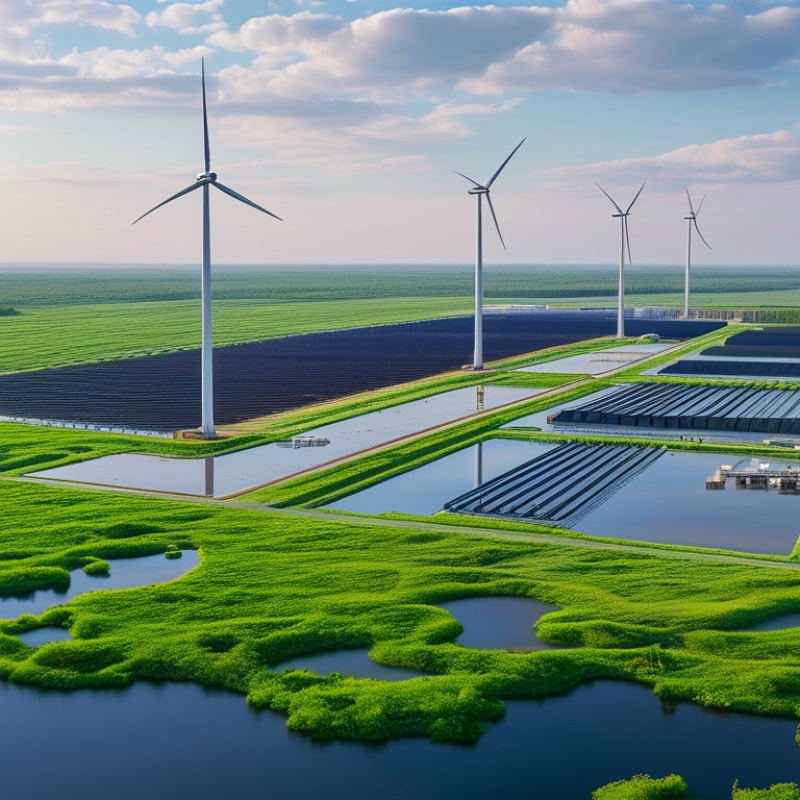
Benefits of Biogas Generators in Promoting Renewable Energy Solutions
Biogas generators play a crucial role in promoting renewable energy solutions. They convert organic waste into useful energy. This process reduces landfill waste significantly. Farmers can utilize animal waste and plant residues. Urban areas can also benefit by turning food scraps into energy.
The efficiency of biogas generators is notable. They release clean energy, reducing greenhouse gas emissions. The generated biogas can power homes and industries. This not only saves money but also supports energy independence. Many communities now rely on these systems for their electricity needs.
However, challenges exist. Not every region has the infrastructure to support biogas production. Additionally, there can be initial costs that may deter investment. Maintenance is also required to ensure optimal performance. Continuous education about biogas benefits is essential for wider acceptance.
Environmental Advantages of Utilizing Biogas Over Fossil Fuels
Biogas offers significant environmental benefits when compared to traditional fossil fuels. It is a renewable energy source, derived from organic waste materials. Using biogas reduces greenhouse gas emissions, contributing to climate change mitigation. Fossil fuel combustion releases carbon dioxide and harmful pollutants, while biogas significantly lowers these emissions.
The production of biogas can also divert organic waste from landfills. Landfills release methane, a potent greenhouse gas that is far more harmful than CO2. By utilizing biogas generators, we can convert waste into energy efficiently. This process not only harnesses energy but also promotes waste management practices that are environmentally friendly.
However, biogas technology is not without challenges. The initial investment can be high, and maintenance requires expertise. Some biogas systems are small scale and may lack efficiency. Despite these hurdles, the overall benefits make biogas an appealing option for sustainable energy solutions. Exploring these aspects can lead to a better understanding of biogas's potential and its role in our energy future.
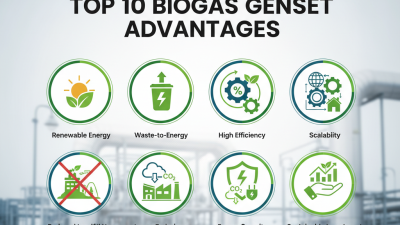
Top Benefits of Using Bio Gas Generator for Sustainable Energy
| Advantage |
Description |
Environmental Impact |
Cost-Effectiveness |
| Renewable Energy Source |
Biogas is produced from organic waste, making it a sustainable choice. |
Reduces reliance on fossil fuels and decreases greenhouse gas emissions. |
Lower operational costs compared to fossil fuel generation in the long term. |
| Waste Management |
Utilizes organic waste products, reducing landfill disposal. |
Minimizes methane emissions from decomposing waste in landfills. |
Lowers waste disposal costs and generates revenue from biogas production. |
| Energy Security |
Provides a local source of energy, decreasing dependency on imported fuels. |
Enhanced energy resilience and reduced carbon footprint. |
Stable long-term energy prices without volatile market fluctuations. |
| Nutrient-Rich Byproduct |
Digestate from biogas production can be used as fertilizer. |
Improves soil health and enhances agricultural productivity. |
Reduces costs for chemical fertilizers, improving farm economics. |
Economic Impacts of Biogas Generators on Local Communities
Biogas generators significantly impact local economies. These systems convert organic waste into energy, creating jobs in various sectors. A report by the International Renewable Energy Agency (IRENA) highlighted that biogas projects can provide up to 10 full-time jobs per megawatt generated. These positions often include maintenance, operation, and management roles.
Community engagement is a crucial aspect of biogas projects. Local farmers can utilize the residual materials as fertilizer, enhancing soil health and crop yields. The Food and Agriculture Organization (FAO) supports this by stating that biogas digestate can increase agricultural productivity by up to 30%. This not only boosts food security but also helps farmers reduce costs on external fertilizers.
However, challenges persist. Initial investment costs for biogas systems can be high. Many communities lack the technical expertise to install and maintain these generators. Furthermore, there might be resistance to change due to traditional practices. It’s essential for stakeholders to address these issues by providing training and financial support. Reflecting on these factors can lead to more widespread adoption and long-term benefits for local communities.
Role of Biogas in Waste Management and Resource Recovery
Biogas plays a crucial role in waste management and resource recovery. This renewable energy source is generated from organic waste, such as food scraps and agricultural residues. According to the U.S. Environmental Protection Agency, anaerobic digestion can reduce landfill waste by up to 70%. This significantly lessens landfill overflow and associated greenhouse gas emissions.
Biogas systems also convert waste into valuable resources. The digestate produced after anaerobic digestion can be used as fertilizer, enriching soil health. A report from the Food and Agriculture Organization indicates that biogas can help recycle up to 1.3 billion tons of waste annually. This supports sustainable agricultural practices and creates a circular economy.
Despite its benefits, the adoption of biogas technology faces challenges. Not all regions have access to proper infrastructure for biogas production. Additionally, public perception of waste-derived energy can be a barrier. As awareness grows, more communities may recognize the potential of biogas. Addressing these challenges is essential for enhancing resource recovery and promoting sustainable waste management solutions.
Technological Innovations in Biogas Generator Efficiency and Performance
Recent advancements in biogas generator technology have significantly improved efficiency and performance. Researchers have reported that modern anaerobic digestion systems can achieve conversion efficiencies exceeding 90%. This remarkable enhancement reduces greenhouse gas emissions and promotes waste management. With the global biogas market projected to reach $73 billion by 2027, these innovations are critical in addressing energy demands sustainably.
One notable development is the integration of AI and IoT in biogas systems. These technologies facilitate real-time monitoring, optimizing biogas production. Data from various studies indicated that optimizing temperature and pH levels can boost methane output by up to 30%. As such, fine-tuning these parameters can be transformative for small and large scale operations alike.
However, challenges persist. Not all facilities can afford sophisticated monitoring tools. Additionally, scaling up remains an issue, as local regulations can hinder progress. The industry must find a balance between cutting-edge technology and accessible solutions. Innovations must cater to diverse market needs while ensuring environmental integrity. This reflection enhances the ongoing dialogue about sustainable energy futures.

 Sinotruk Parts
 Shacman Parts
 FAW Parts
 Dongfeng Parts
 Foton Parts
 CHENGLONG PARTS
 Golden Dragon Bus Parts
 King Long Parts
 Yutong Parts
 Higer Parts
 Zhongtong Parts
 Ankai Parts




 Mr. Perry Wu International Sales Director