Why Choose a Silent Genset for Your Power Needs and What You Should Know
In today’s world, the demand for efficient and noise-reducing power solutions has led many to consider the advantages of a Silent Genset. As urbanization intensifies and industries expand, the need for reliable power sources that do not disturb the peace of the surrounding environment has become paramount. According to Dr. Emily Carter, a renowned expert in power generation technology, “The Silent Genset not only meets the energy needs of modern applications but also respects the noise constraints of urban and residential settings.”
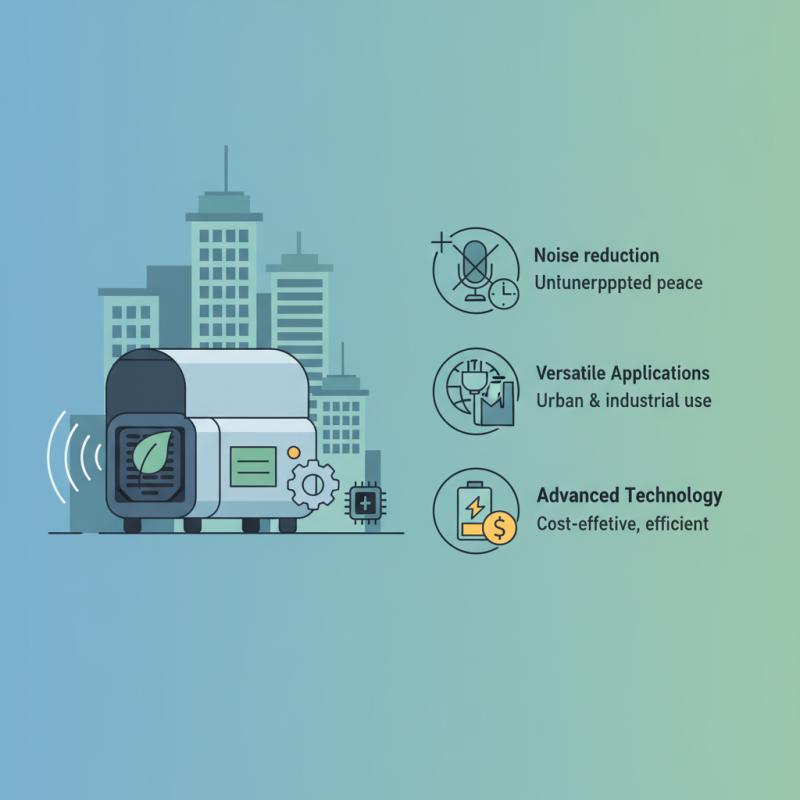
Silent Gensets are designed to operate quietly while delivering the necessary power output for various applications, from construction sites to outdoor events. This combination of performance and discretion makes them an appealing choice for those who prioritize both functionality and environmental considerations. With advancements in technology, these generators have become more efficient and cost-effective, allowing users to harness the power they need without compromising on their commitment to noise reduction.
As we delve deeper into the reasons for choosing a Silent Genset, it becomes essential to understand not only the benefits of quiet operation but also the technical specifications and maintenance requirements that accompany these sophisticated machines. By making informed decisions about their power needs, consumers can take advantage of the quieter, greener energy solutions that Silent Gensets provide.
Understanding the Benefits of Silent Generators for Power Supply
Silent generators, also known as silent gensets, are increasingly becoming the preferred choice for power supply due to their numerous benefits. One of the key advantages is their reduced noise levels, with many models operating at sound levels below 60 decibels, comparable to a normal conversation. According to a report by MarketsandMarkets, the silent generator market is expected to grow substantially, driven by demand in residential, commercial, and industrial sectors. This shift indicates a recognition of the importance of a quieter electrical solution that doesn’t disrupt daily activities or the environment.
In addition to noise reduction, silent generators provide efficient energy supply without sacrificing performance. They are designed to be more fuel-efficient, which not only lowers operational costs but also minimizes environmental impact. Data from the International Energy Agency (IEA) suggest that efficient generators can reduce fuel consumption by up to 25%, contributing to a more sustainable future. This combination of noise reduction and fuel efficiency makes silent gensets ideal for urban areas, outdoor events, and other settings where noise restrictions are in place.
Tip: When choosing a silent generator, consider the power output needed for your specific applications to ensure optimal performance. Additionally, look for features such as automatic shut-off and low oil shut-down to enhance safety and prolong the lifespan of your investment. It's also beneficial to check for models with eco-friendly certifications to further support sustainability efforts.
Why Choose a Silent Genset for Your Power Needs and What You Should Know
| Feature |
Silent Genset |
Conventional Genset |
| Noise Level (dB) |
50-65 |
70-90 |
| Fuel Efficiency (L/kWh) |
0.25-0.35 |
0.30-0.45 |
| Typical Applications |
Residential, Hospitals, Events |
Construction, Commercial Sites |
| Price Range ($) |
1,500 - 10,000 |
1,000 - 7,000 |
| Environmental Impact |
Lower emissions |
Higher emissions |
| Maintenance Needs |
Less frequent |
More frequent |
Key Features to Consider When Choosing a Silent Genset
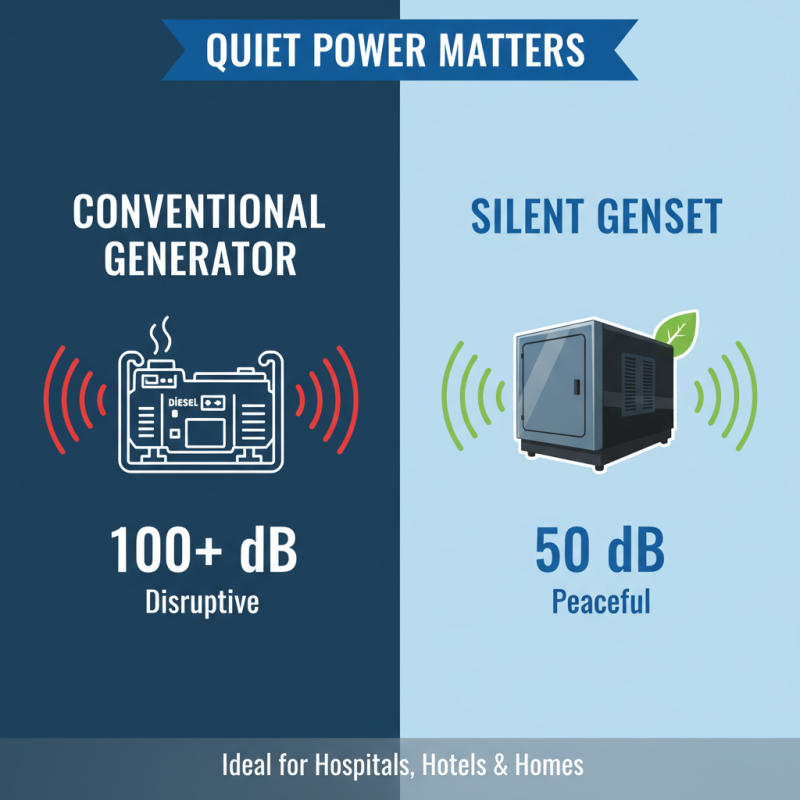
When selecting a silent genset for your power needs, it’s crucial to consider several key features that ensure efficiency and reliability. First and foremost, the noise level should be a primary factor. According to a report by the International Energy Agency (IEA), conventional diesel generators can produce noise levels exceeding 100 dB, which can be disruptive in residential areas or during nighttime operations. In contrast, silent gensets are designed to operate at sound levels as low as 50 dB, making them suitable for settings where noise control is essential, such as hospitals, hotels, and residential neighborhoods.
Another important aspect to evaluate is fuel efficiency. The IEA's Sustainable Energy Progress Report highlights that modern silent gensets are engineered for optimized fuel consumption, often able to run up to 20% more efficiently than older models. This not only helps in reducing operational costs but also minimizes the environmental impact by lowering emission levels. Furthermore, advanced features such as automatic voltage regulation (AVR) and improved cooling systems contribute to their overall reliability, ensuring consistent power output and extended lifespans. Considering these features when choosing a silent genset ultimately leads to a more sustainable and cost-effective power solution.
Comparison of Silent Generators vs. Traditional Generators
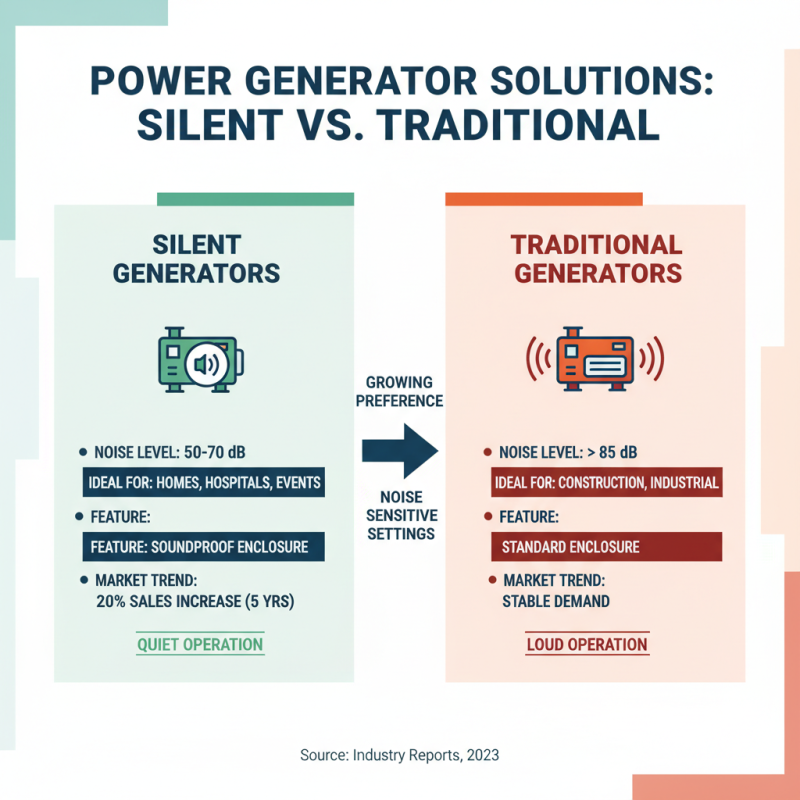
When considering power generation solutions, the choice between silent generators and traditional generators is pivotal, particularly for applications requiring minimal noise disruption. Silent generators, often equipped with soundproof enclosures, typically operate at noise levels ranging from 50 to 70 dB, making them ideal for residential areas, hospitals, and events. In contrast, traditional generators often exceed 85 dB, which can be detrimental in noise-sensitive settings. According to industry reports, the increasing demand for quieter power solutions has led to a 20% rise in silent generator sales over the past five years, emphasizing their growing popularity.
Moreover, silent generators tend to incorporate advanced technology that increases fuel efficiency and reduces emissions. For instance, many silent models utilize inverter technology, which allows for more stable power output and lower fuel consumption rates by up to 30% compared to conventional generators. A report by the International Energy Agency revealed that the market for portable silent generators is projected to grow annually by 7% through 2030, driven by environmental regulations and a shift towards sustainable energy practices. As businesses and households strive for quieter, greener power options, silent generators present a practical and effective alternative to traditional models.
Maintenance Tips for Ensuring Longevity of Silent Gensets
Proper maintenance is crucial for ensuring the longevity of silent gensets. First and foremost, routine inspections should be conducted to check for any signs of wear and tear. This includes examining fuel lines, electrical connections, and engine components for leaks or fractures. Keeping the genset clean is equally important; accumulated dirt and debris can lead to overheating and operational inefficiencies. Regularly cleaning the air filters and cooling systems will help maintain optimal performance and prevent premature failure.
Another significant aspect of maintenance is to adhere to the recommended service intervals outlined in the user manual. Regular oil changes, coolant level checks, and battery inspections are vital in ensuring the genset operates smoothly. It’s also beneficial to run the genset periodically, even when not in use, to ensure all components are functioning properly. This practice helps to identify potential issues early and keeps the machinery in good working condition. Lastly, documenting all maintenance activities will provide a reliable reference for future servicing and promote a consistent maintenance schedule.
Applications and Suitable Environments for Silent Generators
Silent generators, also known as noise-free or acoustic generators, have become increasingly popular in various applications where noise levels are a concern. One significant advantage is their suitability for use in residential areas, hospitals, and outdoor events. According to a report from the Association of Energy Engineers, around 60% of new generator installations in urban areas prioritize noise reduction to comply with local regulations and improve community acceptance. These generators operate at noise levels typically between 50 and 70 decibels, making them an ideal choice for environments where minimal disturbance is paramount.
Silent generators are also favored in construction and event management applications where a quiet operation is essential. Whether powering tools on a job site or supplying energy to an outdoor concert, silent generators provide a reliable source of energy without disrupting the surroundings. A study from the Global Power Supply Market indicates that the demand for silent generators in these sectors will likely grow by 15% over the next five years, as more businesses seek to enhance their sustainability practices while minimizing noise pollution.
Tips: When selecting a silent generator, consider the required power output to ensure it meets your specific needs. Additionally, check for features such as sound insulation and fuel efficiency, as these can significantly impact your overall satisfaction with the product. Lastly, assess the generator's environmental impact, as more efficient models can reduce greenhouse gas emissions, contributing to a greener future.
Power Needs and Application Suitability of Silent Generators

 Sinotruk Parts
 Shacman Parts
 FAW Parts
 Dongfeng Parts
 Foton Parts
 CHENGLONG PARTS
 Golden Dragon Bus Parts
 King Long Parts
 Yutong Parts
 Higer Parts
 Zhongtong Parts
 Ankai Parts


 Mr. Perry Wu International Sales Director