What is a Silent Genset and How Does It Work?
In today’s fast-paced world, the demand for reliable and quiet power solutions is increasing. Silent gensets are gaining popularity in various industries. They provide a subtle yet powerful energy supply without the noise typically associated with traditional generators. They are designed for settings where noise pollution is unacceptable.
According to John Smith, an expert in the field of generator technology, "Silent gensets represent the future of energy solutions.” These units are often used in hospitals, residential areas, and events where sound levels need to be controlled. Unlike conventional generators, silent gensets operate with advanced sound-dampening technologies, ensuring minimal disruption to the environment.
While the benefits are clear, it’s essential to consider the limitations. Some users find them more costly than standard gensets. Maintenance can also pose a challenge for some operators. Overall, silent gensets may offer excellent solutions with specific drawbacks to reflect on.
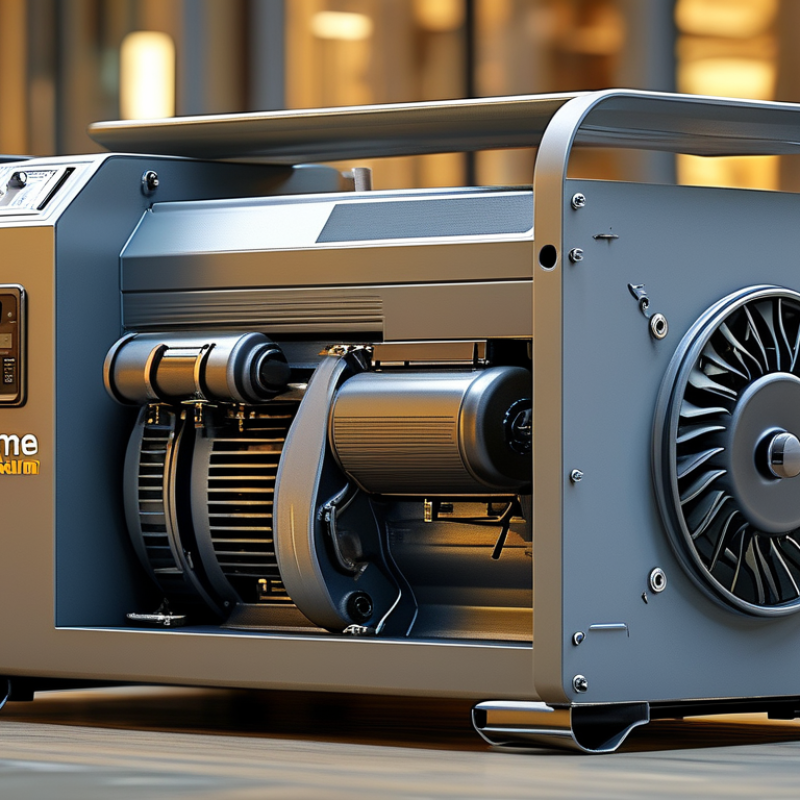
Definition of Silent Genset and Its Key Features
A silent genset, or generator set, serves as a reliable source of backup power. These units are designed to operate at significantly reduced noise levels compared to traditional generators. Their sound levels typically range between 50 to 70 decibels, making them suitable for residential and urban settings. Many rely on advanced soundproofing technology and acoustic enclosures to minimize noise pollution. According to industry reports, the demand for silent gensets is expected to grow at a compound annual growth rate (CAGR) of over 5% from 2021 to 2026.
Key features of silent gensets include enhanced fuel efficiency, portability, and lower emissions. These generators often utilize advanced engine technology, which can improve fuel consumption by up to 15%, addressing both environmental and economic concerns. They find use in various sectors, including construction, events, and emergency response.
However, it is essential to note that while these models offer significant benefits, they may come with higher upfront costs. The long-term operational savings often justify the investment. Careful consideration is necessary for those evaluating silent gensets to ensure they meet their specific power needs and local regulations.
Principle of Operation: How Silent Gensets Generate Power
Silent gensets have gained popularity due to their efficient power generation and low noise levels. The principle of operation is based on soundproof enclosures that dampen the noise produced during the generator's operation. These gensets typically use a combination of insulation materials and strategic design to minimize sound emissions, making them suitable for urban areas and residential applications.
In terms of power generation, silent gensets often incorporate advanced engine technology. According to industry reports, around 70% of small to medium-sized businesses prefer silent gensets for backup power due to their reduced noise concerns. The operating mechanism involves converting mechanical energy from the internal combustion engine into electrical energy through an alternator. This process is generally efficient, with some modern designs achieving over 90% efficiency in power output.
Despite their advantages, silent gensets are not without challenges. Maintenance can sometimes be overlooked, leading to performance issues. Furthermore, the initial investment cost tends to be higher compared to traditional gensets. Buyers must weigh the benefits of noise reduction against the potential for higher long-term expenditures. Therefore, understanding the operational intricacies is crucial for making informed decisions.
Components of a Silent Genset and Their Functions
Silent generators, often called silent gensets, are designed for low-noise operation. They are used in areas where sound levels must be kept to a minimum. One key component is the soundproof enclosure. This enclosure reduces noise and protects internal parts from environmental factors. It is crucial to ensure that the materials used can effectively absorb sound waves.
Another important part is the engine, which converts fuel into mechanical energy. The choice of fuel impacts efficiency. Common options are diesel and natural gas. Additionally, a powerful alternator generates electricity from the engine's motion. Regular maintenance of these components ensures longevity and reliability.
Tips: Regularly check for any signs of wear and tear in the engine. Keeping the fuel system clean will enhance performance. Always listen for unusual noises, as they could indicate a problem.
The control panel is another essential element. It allows users to monitor performance and make adjustments. Having user-friendly interfaces can significantly improve operator experience. Lastly, sufficient ventilation is critical. It prevents overheating and maintains optimal performance. Overlooking this can lead to serious issues.
Advantages of Using Silent Gensets Over Conventional Generators
Silent gensets offer several advantages over traditional generators. They operate much more quietly, which is crucial in noise-sensitive environments like hospitals and residential areas.
A recent report from the Global Generator Market indicates that silent gensets can reduce noise levels to as low as 55 dB, compared to over 70 dB for conventional models. This makes silent generators preferable in urban settings where noise pollution is a concern.
Another significant benefit is fuel efficiency. Silent gensets are designed to optimize fuel consumption. According to the Energy Information Administration, advanced models can reduce fuel usage by up to 30% compared to older, conventional generators. This not only lowers operational costs, but also reduces greenhouse gas emissions. Many businesses prioritize sustainability. They see fuel-efficient silent gensets as a means to meet environmental goals.
Maintenance is another area where silent gensets excel. Their compact design often leads to less wear and tear. However, some users find it challenging to identify the right maintenance schedules. The learning curve can be steep for those unfamiliar with advanced engine technologies. While silent gensets are beneficial, full understanding requires time and careful consideration.
Applications of Silent Gensets in Various Industries
Silent gensets have become essential across various industries due to their noise reduction capabilities. These generators operate quietly, making them ideal in urban areas or noise-sensitive environments. Construction sites, for instance, utilize silent gensets for power without disturbing nearby businesses or residents. Hospitals also benefit, as reliable and quiet power sources are crucial for maintaining patient care and operations.
In events management, silent gensets provide unobtrusive power for outdoor gatherings. Wedding planners often choose these gensets to keep the atmosphere serene while ensuring all equipment runs smoothly. Even film productions rely on silent gensets to avoid disrupting sound during filming.
Tip: Always consider fuel efficiency when selecting a genset. It can greatly impact operating costs over time. When using silent gensets, regular maintenance is key to ensuring longevity and reliability. Look out for potential issues and address them promptly. Ignoring small problems can lead to larger, costly repairs down the line.

 Sinotruk Parts
 Shacman Parts
 FAW Parts
 Dongfeng Parts
 Foton Parts
 CHENGLONG PARTS
 Golden Dragon Bus Parts
 King Long Parts
 Yutong Parts
 Higer Parts
 Zhongtong Parts
 Ankai Parts







 Mr. Perry Wu International Sales Director