Top Power Inverter Generators for Global Buyers?
Choosing the right Power Inverter Generator is not simply a matter of comparing wattage and price. Global buyers face different voltage systems, outlet designs, fuel standards, climates, and service conditions. A model that performs well in a quiet Canadian suburb may struggle in a humid coastal market or at high altitude.
Paul Hope, a senior home editor at Consumer Reports, has explained that inverter generators are generally quieter and more fuel-efficient than conventional models. That practical observation matters. A well-designed unit can power sensitive equipment, such as laptops, medical devices, cameras, and modern refrigerators, while producing cleaner and more stable electricity.
This guide examines leading options for international purchasing decisions. It considers rated output, peak power, total harmonic distortion, fuel consumption, noise levels, parallel capability, portability, and warranty support. It also looks beyond the product box. Replacement parts, local technicians, language-specific manuals, and compatible plugs can determine whether a generator remains useful after purchase.
Small details matter. A 20-kilogram frame is easier to move across a campsite. A seven-hour runtime may be inadequate during a long outage. Electric start sounds convenient, but a weak battery can become a serious limitation. No shortlist is perfect. Buyers should question attractive specifications and verify independent testing whenever possible.
The following comparison is designed for households, contractors, travelers, and emergency planners seeking dependable performance across borders. It does not treat one brand as universally superior. Instead, it connects technical performance with real operating conditions, helping readers select a Power Inverter Generator that fits their location, equipment, budget, and expectations.
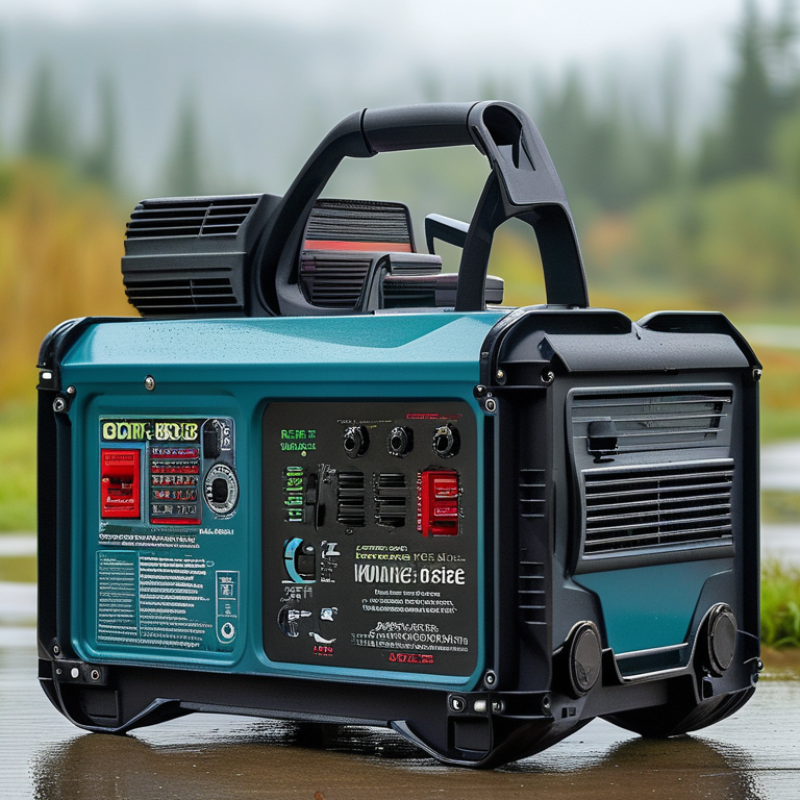
What Is a Power Inverter Generator?
A power inverter generator is a portable unit that creates electricity through a controlled conversion process. Its engine produces alternating current, which is converted into direct current and then inverted back into stable alternating current. This extra step delivers cleaner power for laptops, medical equipment, communication devices, and sensitive household electronics. It also adjusts engine speed according to demand, which can reduce fuel use and operating noise. However, “quiet” does not mean silent. A nearby unit can still disturb sleep.
For global buyers, output quality matters as much as rated wattage. Check the generator’s continuous power, starting surge, voltage, frequency, and socket design. A refrigerator may require much more power during startup than during normal operation. Voltage and frequency standards also vary between markets. Using the wrong configuration can damage equipment. Safety certifications, overload protection, grounding instructions, and clear maintenance guidance deserve careful review. A low price may look attractive, but unavailable parts can create expensive delays. That detail is easy to miss.
Tips: Calculate your running load before purchase, then add a sensible reserve. Test the generator with real appliances, not only a phone charger. Keep fuel and exhaust systems managed according to local rules. Inspect oil levels, air filters, cables, and ventilation regularly. One honest warning: many buyers underestimate starting surges. A generator that works on paper may struggle in a kitchen, workshop, or cold outdoor setting.
Top Power Inverter Generators for Global Buyers: What Is a Power Inverter Generator?
A power inverter generator produces AC electricity, converts it to DC, and then electronically inverts it back to stable AC power. This process typically delivers cleaner electricity for sensitive devices, lower noise, and better fuel efficiency than conventional generator designs.
The chart shows common continuous-output classes used in portable inverter generators. Smaller units are suitable for electronics, lighting, and camping, while higher-output classes can support refrigerators, pumps, tools, and selected home backup loads. Actual performance depends on voltage, frequency, fuel type, ambient conditions, and the generator’s rated and peak capacities.
How Power Inverter Generators Work
A power inverter generator does not send raw alternator power directly to your appliances. The engine spins an alternator, producing variable-frequency electricity. A rectifier converts it into direct current. Then, an electronic inverter rebuilds stable alternating current through rapid switching. The final output usually stays near 120 or 230 volts, with a controlled 50 or 60 hertz frequency. This process creates cleaner power for laptops, medical equipment, and sensitive control boards. Look for low total harmonic distortion, preferably below 5%. The U.S. Department of Energy’s Energy Saver guidance explains that inverter generators can reduce engine speed during lighter loads. That can lower fuel consumption and operating noise.
The control system matters more than the housing. A sensor measures demand, then adjusts the throttle and inverter output. When a refrigerator starts, the generator must handle its brief surge. A small unit may fail here. Quiet, but not magic. The U.S. Consumer Product Safety Commission reported an average of 99 annual carbon-monoxide deaths linked to portable generators from 2011 through 2021. Operate the machine outdoors, far from doors and windows, and use a working CO alarm indoors. Real-world efficiency also changes with altitude, temperature, cable length, and load quality. My practical rule is simple: test the generator with the actual tools you will use. Laboratory ratings can look generous. Oversizing wastes fuel; undersizing causes shutdowns and unstable performance. One detail is easy to miss: regular oil checks and clean air filters protect voltage stability as much as engine life.
Top Power Inverter Generators for Global Buyers? - How Power Inverter Generators Work
| Generator Category |
Typical Rated Output |
Typical Peak Output |
Common Fuel |
Approx. Runtime at 25% Load |
Typical Noise Range |
Typical Weight |
Best-Fit Applications |
| Compact Portable |
0.8–1.2 kW |
1.0–1.5 kW |
Gasoline |
6–12 hours |
48–58 dB(A) at 7 m |
10–16 kg |
Small electronics, lighting, phone charging, and emergency communication equipment. |
| Light-Duty Portable |
1.6–2.2 kW |
2.0–2.8 kW |
Gasoline |
6–14 hours |
50–60 dB(A) at 7 m |
18–28 kg |
Camping, refrigerators, small power tools, televisions, and home backup for essential devices. |
| Mid-Range Portable |
2.8–4.0 kW |
3.5–5.0 kW |
Gasoline or dual-fuel |
7–15 hours |
52–64 dB(A) at 7 m |
28–45 kg |
Recreational vehicles, larger refrigerators, sump pumps, job-site tools, and extended outages. |
| High-Output Portable |
4.5–7.0 kW |
5.5–8.5 kW |
Gasoline, dual-fuel, or propane |
5–12 hours |
58–70 dB(A) at 7 m |
45–75 kg |
Multiple household circuits, construction equipment, mobile workshops, and heavier motor loads. |
| Professional Enclosed Unit |
7.0–12.0 kW |
8.5–14.0 kW |
Gasoline, diesel, or propane |
6–16 hours |
60–72 dB(A) at 7 m |
75–125 kg |
Commercial field work, mobile service equipment, larger temporary power systems, and critical loads. |
|
How inverter generators work: The engine produces mechanical power, which is converted into high-frequency electrical power, rectified into direct current, and then inverted back into stable alternating current. This electronic process generally provides cleaner power for sensitive devices, allows the engine to adjust speed to the load, and can reduce fuel consumption and operating noise. Actual specifications vary by generator design, load level, fuel type, ambient conditions, and measurement method.
|
Key Features and Performance Specifications
Top Power Inverter Generators for Global Buyers?
Key Features and Performance Specifications
Global buyers should begin with usable output, not peak wattage. A 2,000-watt inverter generator may support lights, a refrigerator, and charging devices, but not all simultaneously. Check continuous watts, starting watts, and overload protection. The International Energy Agency’s Electricity 2024 report expected global electricity demand to grow by about 4% in 2024, nearly twice the previous year’s growth. Reliable backup power is becoming more relevant.
Power quality matters. Look for clean sine-wave output with total harmonic distortion below 3%, especially for laptops, medical electronics, and communication equipment. Confirm voltage and frequency compatibility before importing. A 50 Hz unit may not suit a 60 Hz appliance. It sounds obvious, but buyers still miss it.
Noise matters. Choose models rated near 50–60 dB at seven metres when quiet operation is important. Fuel efficiency improves when the engine uses an economy mode and adjusts speed to the load. The U.S. Department of Energy explains that inverter systems can reduce fuel use and noise by varying engine speed. Yet laboratory figures do not always match dusty, hot, or elevated job sites. Test runtime at half load, inspect the cooling path, and verify service access. Parallel operation can increase capacity, but matching connectors and control systems are essential. No rating is perfect. A careful buyer should also check emissions certification, enclosure quality, grounding instructions, and spare-part availability for the destination market.
How to Choose the Right Inverter Generator by Market and Use
For global buyers, the best inverter generator depends less on headline wattage than on local conditions. The IEA’s Electricity 2024 report forecasts global electricity demand growth of about 4% in both 2024 and 2025. That pressure makes backup power relevant, but markets differ. In a 50 Hz market, choose a 50 Hz model. A 60 Hz appliance may not operate correctly. Confirm voltage, socket standards, emissions rules, and fuel availability before comparing prices. Local service matters too.
For home refrigeration, measure starting watts, not only running watts. A refrigerator may run near 150 watts yet demand several times more briefly. Add lights, routers, and a pump, then keep 20% headroom. For camping, low noise, weight, and eco-throttle matter more than maximum output.
For workshops, select clean power, overload protection, and sufficient continuous capacity. Short tests help. Real loads expose mistakes.
The U.S. Consumer Product Safety Commission’s 2023 analysis found an average of 92 non-fire carbon-monoxide deaths annually linked to portable generators from 2011 to 2021. Operate units outdoors, far from doors and windows, with a working CO alarm. Never connect a generator directly to household wiring without a legally compliant transfer arrangement. IP ratings, cold-start performance, and altitude derating also deserve attention. A neat spreadsheet can still mislead. Fuel cost, maintenance access, and one failed start in bad weather often decide the purchase.

 Sinotruk Parts
 Shacman Parts
 FAW Parts
 Dongfeng Parts
 Foton Parts
 CHENGLONG PARTS
 Golden Dragon Bus Parts
 King Long Parts
 Yutong Parts
 Higer Parts
 Zhongtong Parts
 Ankai Parts





 Mr. Perry Wu International Sales Director