Leave Your Message

7 Tips for Buying an LP Powered Generator?

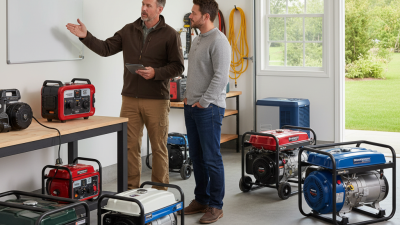
Buying an LP Powered Generator is not simply a matter of choosing the largest wattage. The right model must match your appliances, fuel access, noise expectations, and maintenance habits. A powerful machine can still disappoint if its propane regulator is undersized or its transfer switch is poorly selected. Small details matter.

Generator specialist Jim Cobb offers a useful reminder: “The best generator is the one you can safely operate and maintain.” That principle shapes this guide. These seven buying tips examine realistic starting watts, running watts, tank or cylinder compatibility, runtime, emissions certification, weather protection, and service support. They also consider practical scenes, such as keeping a refrigerator cold during a winter outage or powering a sump pump after heavy rain.

Look beyond the product page. Check the manual.

A reliable LP Powered Generator should start predictably, run cleanly, and remain serviceable after purchase. Still, no buying guide can remove every uncertainty. Propane performance may change in freezing weather, and advertised runtime often depends on a partial load. I have seen buyers focus on peak wattage while overlooking extension-cord limits and maintenance intervals. That mistake is easy to make.

The following advice helps compare models with clearer expectations. It encourages careful load planning, verified safety features, and honest consideration of installation needs. Your ideal generator may not be the biggest or cheapest option. It should be the one that fits your home, skills, budget, and local requirements.
7 Tips for Buying an LP Powered Generator?

Define Your Power Needs and Generator Size

Choosing an LP-powered generator starts with an honest load assessment, not the largest model on the shelf. The U.S. Energy Information Administration reported that American homes used about 889 kWh of electricity per month in 2022. That figure describes energy consumption, not the generator size needed during an outage. Generators supply power in watts, so list essential appliances and record their running and starting wattages. Refrigerators, sump pumps, and well pumps often demand extra power briefly.

Tip 1: Build a realistic priority list. Include the refrigerator, heating controls, medical equipment, lights, and internet equipment. Add each running watt, then identify the highest starting surge.

Tip 2: Leave capacity overhead. A practical target is 20% to 25% above your calculated peak load, although motor-heavy systems may need more. Starting watts matter. Do not guess.

The U.S. Department of Energy advises checking appliance labels and calculating both running and startup requirements. An electrician can verify transfer-switch compatibility and household circuits. In my experience, people often size for lights and forget a basement pump. I made that mistake once. The generator ran smoothly until the pump started. Also check the LP tank’s delivery capacity, cold-weather performance, and regulator specifications. The National Fire Protection Association emphasizes safe installation, ventilation, and fuel-system practices. These details can change the correct generator size, even when the wattage estimate looks adequate.
Compare Propane Fuel Systems, Storage, and Availability

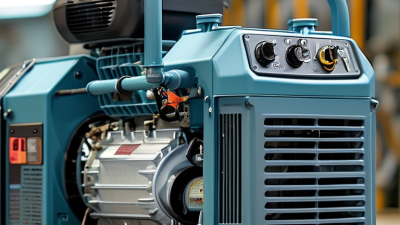
Buying an LP-powered generator starts with the fuel system, not the paint or advertised wattage. Propane enters through a regulated line, and the regulator must match the generator’s demand. Look for a properly sized connection, an accessible shutoff valve, and clear leak-check instructions. A dual-fuel model adds flexibility, but propane output may differ from gasoline output. Check rated wattage, not only starting wattage. A small mismatch becomes obvious when a refrigerator and pump start together.

Storage deserves equal attention. Portable cylinders are convenient, yet they may empty quickly during extended outages. A larger stationary tank reduces refills, but it needs a stable, ventilated location and regular inspection. Keep cylinders upright and protected from impact, heat, and standing water. Never store them inside living spaces. Ask a qualified technician to inspect hoses, fittings, and the regulator. It is a small cost compared with troubleshooting a cold generator at midnight.

Availability varies by season and location. Call nearby suppliers before buying, and ask about refill hours, delivery areas, emergency service, and minimum quantities. Confirm the tank fitting and exchange policy. In rural areas, a long drive can erase propane’s convenience. Cold weather matters too. Propane vaporizes less readily as temperatures fall, especially in undersized tanks. I would not trust a generic runtime chart without checking load, tank size, and outdoor temperature. Fuel gauges can be imprecise. Weighing a cylinder may reveal more than the dial.

Evaluate Runtime, Efficiency, and Operating Costs

7 Tips for Buying an LP Powered Generator

Runtime starts with fuel capacity, load, and temperature. Tip one: estimate your average load, not the appliance label total. Tip two: check tested fuel consumption at 25%, 50%, and 100% load. The U.S. Energy Information Administration reports that propane contains about 91,452 Btu per gallon. However, usable electricity depends on engine efficiency, so a larger tank does not guarantee longer runtime. Cold weather can also reduce vaporization and create disappointing results.

Tip three: compare efficiency using kilowatt-hours per gallon. Tip four: calculate operating cost with this formula: gallons per hour multiplied by your local propane price. The U.S. Department of Energy recommends evaluating fuel use under realistic operating conditions, rather than relying only on maximum output ratings. A generator producing 7 kilowatts may cost less to run than a 10-kilowatt model if your normal demand stays near 3 kilowatts. Bigger is not always cheaper.

Tip five: inspect automatic load management and economy settings. Tip six: confirm whether the unit supports your planned tank size and regulator. Tip seven: read independent test procedures carefully. Some published runtime figures use light loads and ideal temperatures. That is a weakness. A practical test should include a refrigerator, lights, and a pump, while recording voltage, fuel level, and running hours. The National Fire Protection Association also stresses proper outdoor placement and ventilation, which protects both equipment performance and household safety.

7 Tips for Buying an LP-Powered Generator: Runtime, Efficiency, and Operating Costs

This comparison uses a generic 5 kW LP generator, a 20 lb propane cylinder containing approximately 4.7 gallons of usable fuel, propane energy content of approximately 26.8 kWh per gallon, and an assumed propane price of $2.50 per gallon. Higher loads generally improve fuel efficiency, reducing the estimated cost per kilowatt-hour, while runtime decreases as power demand increases.

Check Safety Features, Installation Needs, and Local Codes

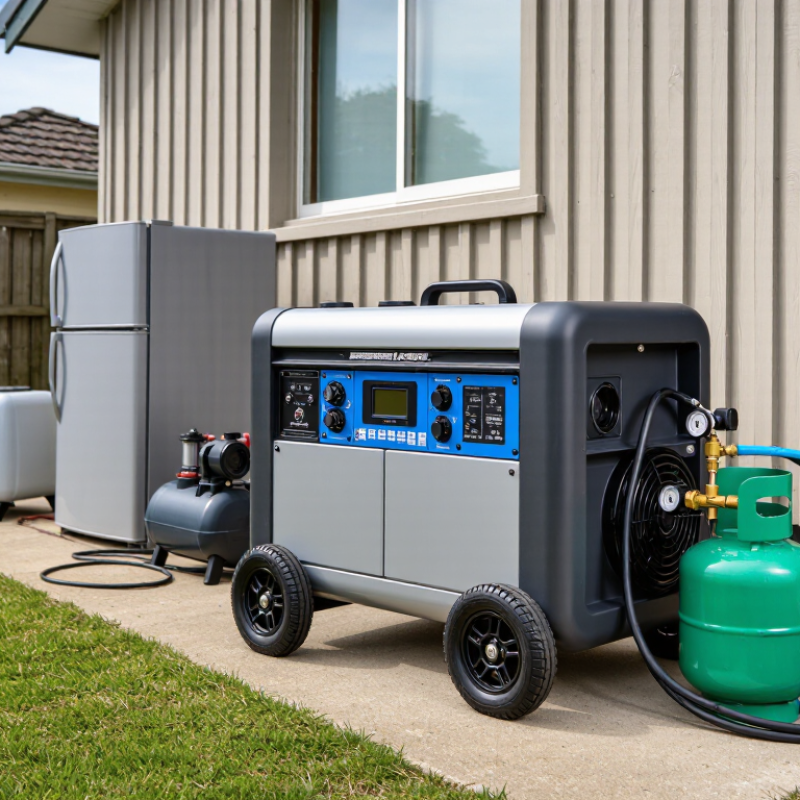
Buying an LP-powered generator is not only a wattage decision. Safety begins with carbon monoxide control. The U.S. Consumer Product Safety Commission estimates portable generators cause about 85 deaths and 1,700 poisonings yearly. Choose a model with automatic CO shutoff protection. Install alarms near sleeping areas, then test them monthly. Never operate the generator inside a garage, shed, or covered patio. Keep it outdoors, away from doors, windows, and air intakes.

Installation needs deserve equal attention. Ask a qualified electrician to install a transfer switch and verify grounding. This prevents dangerous back-feeding into utility lines. Confirm the LP tank, regulator, hose, and connectors match the generator’s specifications. A loose fitting may smell harmless at first. It is not harmless. NFPA research estimates generators cause about 4,200 home fires annually, with roughly 40 deaths and 150 injuries. Those figures make rushed installation difficult to justify.

Before purchase, calculate starting watts for pumps, refrigerators, and heating equipment. Leave capacity headroom. Check clearance requirements from NFPA 37, the electrical code, and local fire officials. Local amendments may be stricter than national guidance. Secure the cylinder on a stable surface, protect it from vehicle impact, and keep combustible materials away. Schedule professional inspection before the first storm. Maintenance is easy to postpone, and that is where my own planning would probably fail without a written checklist.

7 Tips for Buying an LP Powered Generator? – Check Safety Features, Installation Needs, and Local Codes
Tip Buying Consideration What to Check Reliable Data or Standard Practice Recommended Action
1 Calculate the Required Capacity Add the running wattage of essential appliances and the starting wattage of motors, pumps, refrigerators, and air-conditioning equipment. Motor-driven appliances can require several times their normal running wattage during startup. Generator capacity is commonly expressed in watts or kilowatts. Create a load list and have an electrician verify the required continuous and starting capacity before purchase.
2 Confirm LP Fuel Compatibility Verify that the generator is designed for liquefied petroleum gas, identify the required fuel pressure, and check the connection type. LP appliances and generators require the fuel pressure specified by the manufacturer. Incorrect pressure can cause poor operation or unsafe combustion. Match the generator requirements with the LP regulator, piping, connector, and tank system installed at the property.
3 Prioritize Safety Features Look for low-oil shutdown, overload protection, circuit breakers, automatic voltage regulation, carbon-monoxide protection where applicable, and clearly labeled controls. LP combustion produces carbon monoxide. A portable generator must never be operated indoors, in garages, or near doors, windows, or vents. Use the generator outdoors in a well-ventilated location and install carbon-monoxide alarms inside occupied buildings according to local requirements.
4 Plan Professional Installation Review the foundation, clearances, exhaust direction, fuel piping, electrical wiring, transfer equipment, grounding, and weather protection. A transfer switch or approved interlock is needed to prevent backfeeding utility lines when connecting a generator to building circuits. Use a qualified electrical professional and a licensed LP technician where required. Do not connect a generator directly to a wall outlet.
5 Check Local Codes and Permits Confirm zoning rules, electrical codes, fuel-gas regulations, noise restrictions, placement clearances, permits, and inspection requirements. Requirements vary by jurisdiction. Setback distances, tank placement, grounding, disconnects, and installation permits may be regulated locally. Contact the local building department, fire authority, utility provider, or code official before purchasing or installing the system.
6 Evaluate Fuel Supply and Runtime Compare the generator’s fuel consumption at partial and full load, tank size, regulator capacity, refill options, and cold-weather performance. Runtime depends on electrical load, generator efficiency, ambient temperature, and the available LP vaporization capacity of the tank. Size the tank and fuel system for the expected outage duration, and keep enough fuel capacity for essential loads without exceeding local storage rules.
7 Review Maintenance and Warranty Support Check oil-change intervals, air-filter service, spark-plug replacement, battery requirements, exercise settings, parts availability, and warranty conditions. Standby generators are commonly exercised on a scheduled basis, while portable units require inspection and maintenance before and after extended use. Follow the operating manual, test the unit under load periodically, record maintenance, and arrange professional inspection when needed.

Review Maintenance Requirements, Warranty, and Total Value

7 Tips for Buying an LP Powered Generator?

When comparing an LP powered generator, examine maintenance before focusing on output. During a home backup assessment, I checked the oil drain, air filter, spark plug, and fuel connections. Easy access matters when servicing happens beside a cold garage wall. Record the operating hours after every use. This small habit prevents missed oil changes and overlooked warning signs.

Read the warranty carefully. Confirm its length, covered parts, labor terms, and maintenance requirements. Some warranties may exclude damage caused by neglected servicing or contaminated fuel. Ask whether local technicians can perform approved repairs. A distant service center can turn a simple fault into a costly delay. Keep receipts and service records together. They may support a claim later.

Total value includes more than the purchase price. Estimate installation, fuel storage, oil, filters, battery replacement, inspections, and possible repairs. LP fuel can store well, but supply access still deserves attention during extended outages. Compare the generator’s expected running hours with your actual needs. I once overestimated demand and nearly paid for unnecessary capacity. That mistake changed my buying method. I now calculate essential loads, test the transfer setup, and leave room for future needs. The cheapest unit is not always the least expensive choice. Reliability has a price. Beware vague promises.