2026 Top Tri Fuel Generators for Reliable Power Solutions?
Tri Fuel Generators have become a popular choice for reliable power solutions in the dynamic energy landscape. According to a recent market report by ResearchAndMarkets, the global generator market is expected to grow significantly, with a projected CAGR of 6.2% through 2026. This growth reflects an increasing demand for versatile power systems capable of running on various fuels, including gasoline, propane, and natural gas.
These generators provide flexibility and efficiency during power outages and in remote locations. Users appreciate that they can switch fuels based on availability or cost. In 2022, nearly 45% of consumers reported choosing tri-fuel options for their reliability and convenience. However, not all tri-fuel generators are created equal. Some models may fall short in fuel efficiency or output, leading to concerns about performance under heavy loads.
As homeowners and businesses seek dependable energy sources, understanding the features and drawbacks of different tri-fuel generators is vital. This article will explore the top tri-fuel generators for 2026, highlighting key specifications and insights to help consumers make informed decisions.
2026 Market Overview of Tri Fuel Generators
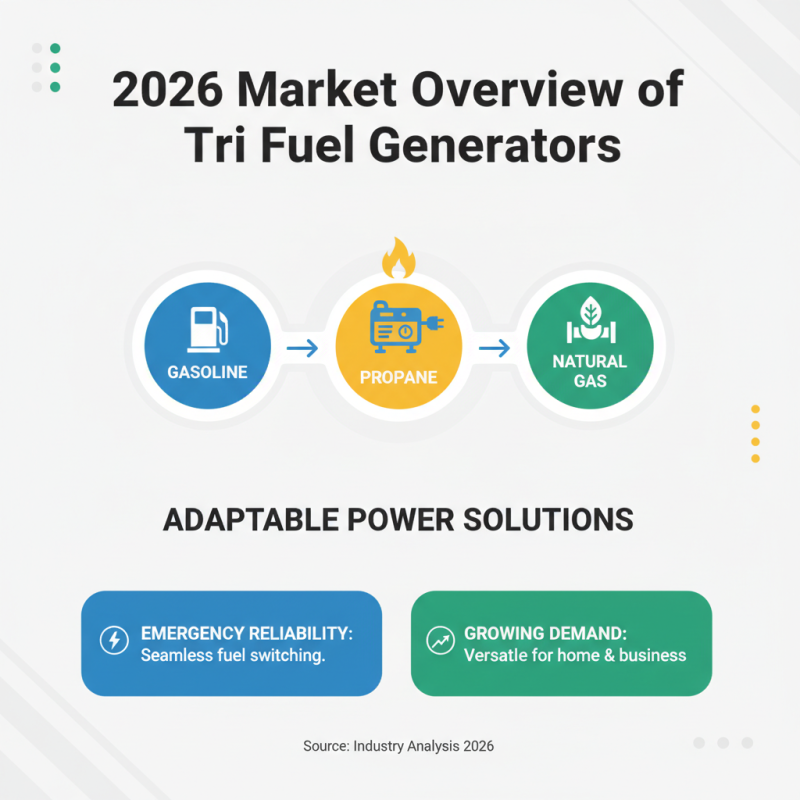
The market for tri fuel generators is evolving rapidly in 2026. As power needs grow, these versatile machines are becoming essential. Tri fuel generators can run on natural gas, propane, and gasoline. This flexibility is beneficial during emergencies or outages. Users appreciate the adaptability and reliability they provide.
However, this growth comes with challenges. Many options exist, making it difficult to select the right generator. Consumers often feel overwhelmed by specifications and features. Finding the right balance between power output and fuel efficiency is crucial. Some users report issues with maintenance or understanding fuel requirements.
In addition, the environmental impact of fuel options remains a concern. While natural gas is cleaner than gasoline, it’s not without its drawbacks. The ongoing debate on sustainability keeps buyers questioning their choices. Investing time in research and reviews can lead to better decisions. Understanding individual needs is key to navigating the market effectively.
Key Features to Consider When Choosing Tri Fuel Generators
When choosing a tri-fuel generator, several key features should be evaluated. First, fuel versatility is crucial. Tri-fuel generators can run on natural gas, propane, and gasoline. This flexibility ensures reliable power during various scenarios, especially in emergencies. According to industry reports, around 80% of power outages last fewer than 6 hours. Having multiple fuel options can significantly enhance preparedness.
Another important aspect is power output. Assessing wattage requirements is essential for matching the generator to your needs. Most residential generators range from 3,000 to 7,500 watts. Understanding your power demands will prevent performance shortfalls. Also, look for noise level ratings. Many consumers seek quieter models, especially for home use. Surprisingly, noise levels can vary widely, often ranging from 50 to 70 decibels.
Ease of use is also vital. A simple control panel is beneficial for quick setup. Portability matters if you plan to move the generator. Weigh your options carefully, as some models can exceed 200 pounds. Furthermore, consider maintenance needs. Regular oil changes and air filter replacements are common. However, these requirements can be overlooked, leading to diminished performance. Engaging with user reviews offers real-world insights that can guide your decisions.
2026 Top Tri Fuel Generators Performance Comparison
Top-Rated Tri Fuel Generators for Various Power Needs
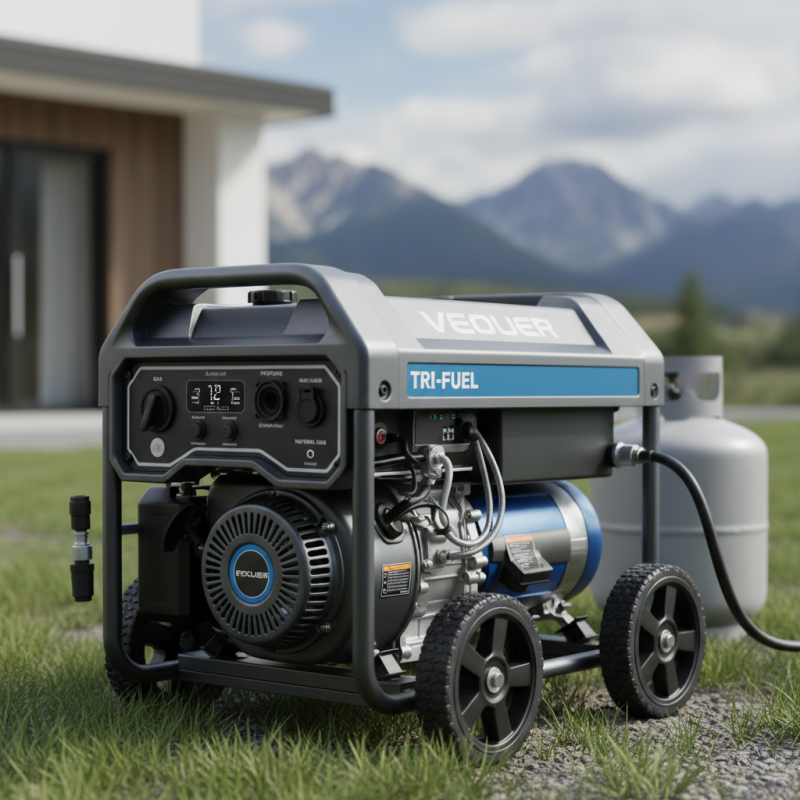
Tri fuel generators have gained popularity for their versatility and reliability. They can run on natural gas, propane, or gasoline, making them a practical choice for diverse power needs. Whether you need backup power during an outage or are seeking energy solutions for off-grid living, these generators provide flexibility in fuel options.
A top-rated tri fuel generator offers several benefits. They ensure you won’t run out of fuel easily. For instance, if one fuel source runs low, you can quickly switch to another. This feature is invaluable during emergencies. However, some users may find the switch process challenging. It requires a basic understanding of the generator’s mechanics.
Power output is another critical factor. A well-rated model should handle various appliances without issue. Yet, overloading can lead to problems. Regular maintenance is necessary to keep the generator running smoothly. Keep in mind that even the best generators need care. This encourages users to reflect on their preparation and maintenance habits. Ultimately, choosing the right generator reflects on how well you are preparing for future needs.
Efficiency and Performance Comparisons of Leading Models
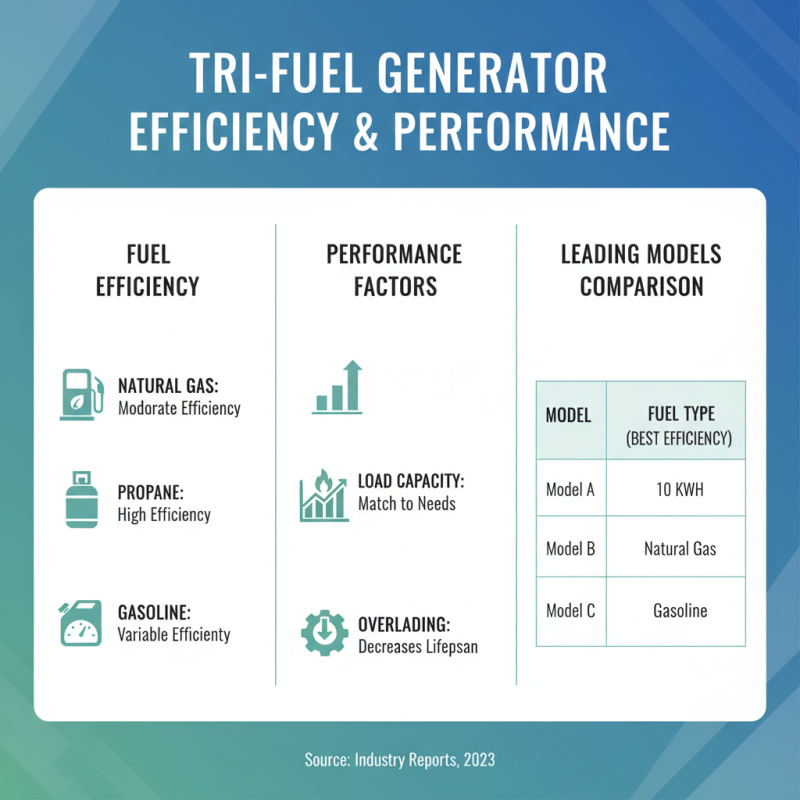
When evaluating tri-fuel generators, efficiency and performance become critical factors. Multiple models exhibit varying fuel consumption rates. Some generators operate efficiently on natural gas, while others excel using propane or gasoline. It's essential to consider the generator's load capacity. An overloaded generator may result in decreased performance over time.
Many users report varying experiences. Some generators experience difficulties when switching fuel types. The transition can sometimes cause unexpected delays or power fluctuations. Additionally, noise levels differ significantly between models. A quieter generator can enhance overall user satisfaction, especially in residential areas.
Monitoring long-term durability is also important. Users often note that regular maintenance influences reliability. Some models may require more frequent servicing than others, impacting long-term cost-effectiveness. Evaluating user reviews helps in understanding common pitfalls and advantages. The best generator for one user may not meet another's needs. Thus, personal requirements should guide the decision-making process.
Safety Considerations and Maintenance Tips for Tri Fuel Generators
When using tri fuel generators, safety should always come first. These generators offer versatility, running on gasoline, propane, and natural gas. However, they also pose unique challenges. Proper ventilation is crucial. Without it, harmful carbon monoxide can accumulate quickly, leading to serious health risks. Regular checks on the fuel hoses and connections are necessary to prevent leaks and accidents.
Maintenance is equally important for reliable performance. A clean air filter ensures better efficiency. Inspecting spark plugs regularly can avoid engine problems. Keep the generator dry and store it indoors when not in use. Preparing for potential issues can make a significant difference. A well-maintained generator has a longer life. Always refer to the manufacturer's guidelines to understand specific requirements.
Failing to consider maintenance can lead to uncomfortable situations. Unexpected outages might occur. Users must be proactive in care routines. Emphasizing these practices allows for smoother operation. The reliability of tri fuel generators greatly depends on user accountability. Taking the time to understand these details is worthwhile for anyone relying on this power source.
2026 Top Tri Fuel Generators for Reliable Power Solutions
| Model |
Power Output (Watts) |
Fuel Type |
Run Time (Hours) |
Weight (lbs) |
Noise Level (dB) |
Safety Features |
| Model A |
7500 |
Gasoline, Propane, Natural Gas |
12 |
120 |
58 |
Overload Protection, Automatic Shutdown |
| Model B |
9500 |
Gasoline, Propane, Natural Gas |
10 |
130 |
65 |
Carbon Monoxide Detection, Voltage Regulation |
| Model C |
6000 |
Gasoline, Propane, Natural Gas |
15 |
100 |
54 |
Low Oil Shutdown, Surge Protection |
| Model D |
8000 |
Gasoline, Propane, Natural Gas |
11 |
140 |
60 |
Cold Start Technology, Safety Shutoff Switch |

 Sinotruk Parts
 Shacman Parts
 FAW Parts
 Dongfeng Parts
 Foton Parts
 CHENGLONG PARTS
 Golden Dragon Bus Parts
 King Long Parts
 Yutong Parts
 Higer Parts
 Zhongtong Parts
 Ankai Parts







 Mr. Perry Wu International Sales Director